10 Best Artificial Thatch Options for Your Project?
Artificial thatch is an innovative solution for enhancing your outdoor spaces. Its aesthetic appeal and durability make it a popular choice among architects and homeowners. This guide explores the ten best options available on the market.
Choosing the right artificial thatch can be overwhelming. Each option has unique features that cater to various project needs. Quality and design are crucial when selecting the perfect artificial thatch. With so many choices, it’s essential to consider your specific requirements, such as climate and location.
In this article, we will highlight the strengths and weaknesses of the top ten artificial thatch products. This insight can help you make an informed decision. Be prepared for some surprises in quality and cost-effectiveness. Remember, not every option will perfectly fit every project. Balancing aesthetics and functionality is key to achieving the desired outcome.
Understanding Artificial Thatch and Its Benefits
Artificial thatch is an innovative roofing material that imitates the look of natural thatch. It is made from synthetic fibers that are designed to withstand the elements. This type of roofing can be a great choice for those seeking aesthetic appeal without the maintenance issues that come with traditional thatch.
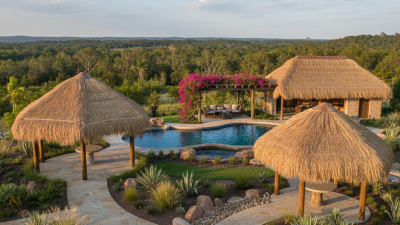
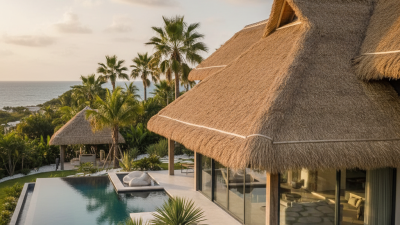
It can enhance the visual charm of various styles, from tropical resorts to rustic cabins.
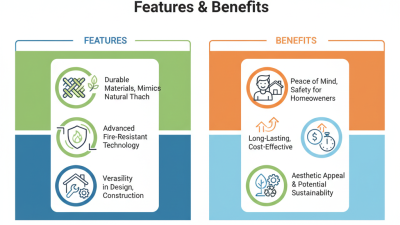
One significant benefit of artificial thatch is its durability. Natural thatch can suffer from rot and insect damage, requiring frequent replacement. In contrast, artificial options resist weathering and remain intact for years. This longevity translates to cost savings over time.
However, it is essential to ensure proper installation for optimal performance. A poorly executed installation can lead to water infiltration or damage, undermining the benefits of this material. Ultimately, careful consideration is necessary when choosing artificial thatch for your project.
Key Features to Look for in Artificial Thatch Options
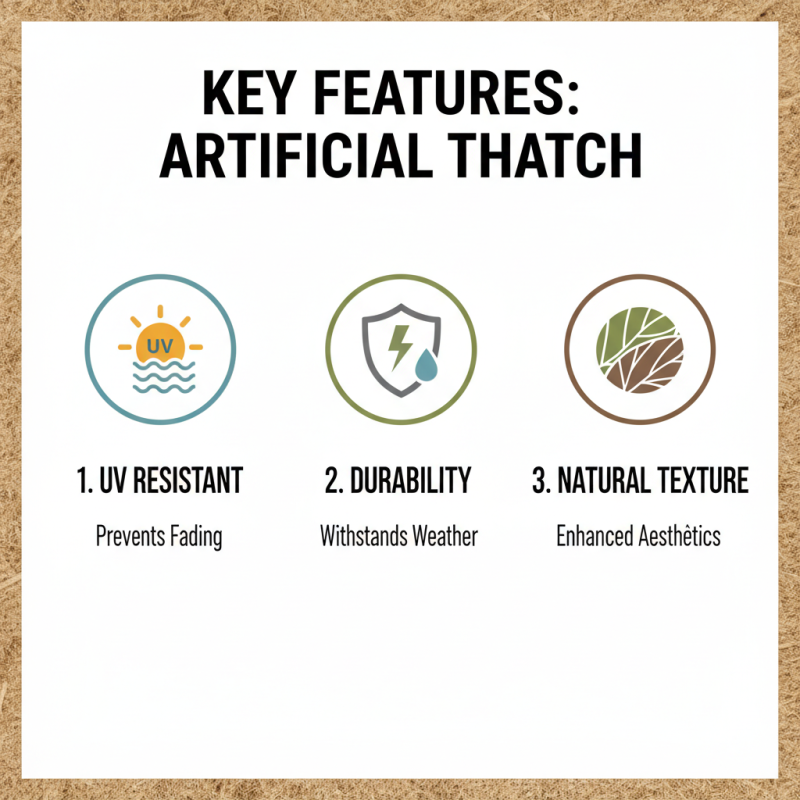
When selecting artificial thatch for your project, it's crucial to consider material quality. Look for UV-resistant options to prevent fading. The durability of the material affects how well it can withstand weather conditions. Natural-looking textures enhance aesthetics and create a more inviting atmosphere.
Weight is also significant. Lightweight materials can be easier to handle but may not perform as well in windy areas. In contrast, heavier thatch materials provide stability. Ensure that the installation process is straightforward. Complicated setups can lead to errors and additional costs.
Additionally, pay attention to the fire-retardant features. Safety should always be a priority, especially for outdoor spaces. Check for maintenance requirements, as some materials might need regular cleaning or treatment. A balance between aesthetics and functionality is key for a successful outcome.
Top 10 Artificial Thatch Products Reviewed
When choosing artificial thatch, several factors are crucial. The right product can significantly affect both aesthetics and functionality. Studies show that artificial thatch can last up to 25 years when properly maintained. This durability makes it an appealing option for various projects, from residential roofing to commercial landscapes.
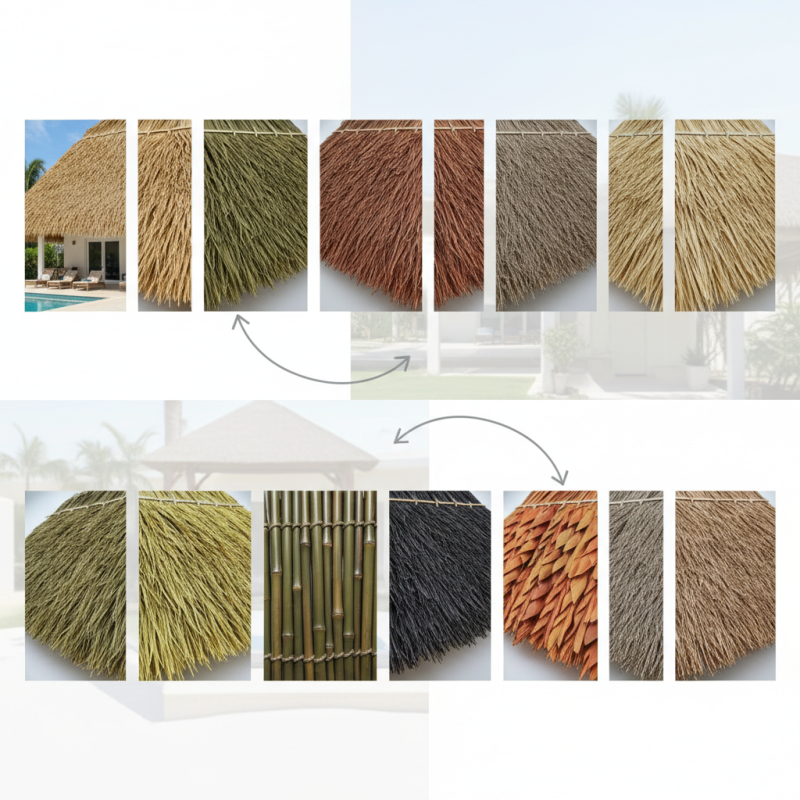
Some products mimic natural thatch very closely. They can replicate the color and texture of authentic materials. Professionals note that quality artificial thatch can reduce heat absorption. This property contributes to lower energy costs in hot climates. However, not all products offer the same level of UV resistance. It's essential to check specifications to ensure reliability.
Installation is another area that requires attention. Some products may offer easier installation processes, while others may require professional help. A well-executed installation ensures longevity. A poorly installed thatch can lead to premature wear. Therefore, assessing both the materials and the installation method is critical for success.
10 Best Artificial Thatch Options for Your Project
| Option |
Material |
Color |
Size (sq ft) |
Weight (lbs) |
UV Resistance |
| Natural Look Thatch |
Polyethylene |
Brown |
10 |
5 |
Yes |
| Tropical Thatch Panels |
PVC |
Golden Yellow |
15 |
8 |
Yes |
| Synthetic Palm Thatch |
Polypropylene |
Dark Green |
20 |
10 |
Yes |
| Elegant Thatch Mat |
EVA Foam |
Natural Beige |
12 |
4 |
Yes |
| Weatherproof Thatch Sheets |
Nylon |
Light Brown |
25 |
15 |
Yes |
| Recycled Thatch Tiles |
Recycled Plastic |
Mix Colors |
30 |
12 |
Yes |
| Eco-Friendly Thatch |
Biodegradable Fiber |
Dark Brown |
28 |
14 |
No |
| Luxurious Thatch Rolls |
Polyester |
Copper Red |
18 |
9 |
Yes |
| Decorative Thatch Sheets |
Fiberglass |
Charcoal Grey |
16 |
11 |
Yes |
Cost Analysis: Budgeting for Artificial Thatch Installation
When considering artificial thatch for your project, understanding the cost is vital. The installation of artificial thatch can range significantly based on factors such as material quality and installation complexity. On average, budget-conscious homeowners might spend between $10 to $25 per square foot, while premium options can exceed $30 per square foot. This disparity can catch many off guard, especially when unexpected costs arise.
Preparation is key. Assess the site and gather accurate measurements before you buy materials. Additional expenses include labor costs. Hiring a professional can add $5 to $15 per square foot, doubling your overall investment. Some DIY enthusiasts opt to save on labor, but mistakes can lead to costly fixes.
Lastly, consider maintenance in your budget. Many assume artificial thatch is maintenance-free. However, routine cleaning and occasional repairs may be necessary. Analyze the long-term costs to avoid surprises down the line. Make sure you plan thoroughly and evaluate all factors to ensure a successful installation.
Maintenance Tips for Longevity of Artificial Thatch Products
Maintaining artificial thatch products is crucial for their longevity. Regular cleaning is essential. Dust and debris can accumulate, leading to deterioration. A gentle rinse with water keeps the surface free from dirt. Avoid harsh chemicals. They can damage the fibers and alter their appearance.
Inspect your thatch periodically. Look for signs of wear or fading. This allows you to take timely action. If you notice loose pieces, reattach them carefully. Regular maintenance can extend the lifespan of your artificial thatch significantly. Keeping it shaded from direct sunlight helps too. Sun exposure can cause fading over time.
Consider seasonal care as well. In colder months, ensure snow is cleared gently to prevent heavy buildup. Fluctuating temperatures might affect the materials. If you live in an area with harsh weather, be proactive. Protect your investment with consistent upkeep and careful observation. With the right attention, your artificial thatch can maintain its elegance for years.
10 Best Artificial Thatch Options for Your Project
This chart illustrates the average lifespan and maintenance frequency of popular artificial thatch products, helping you choose the best option for your project.