Top 10 Benefits of Using Synthetic Roof Thatch for Your Home
In recent years, homeowners have increasingly turned to innovative materials that not only enhance aesthetic appeal but also provide functional benefits. Among these materials, Synthetic Roof Thatch has emerged as a frontrunner, revolutionizing traditional roofing methods. According to a report by IBISWorld, the demand for synthetic roofing products has surged by over 25% in the last five years, reflecting a growing awareness of their advantages among both builders and homeowners.
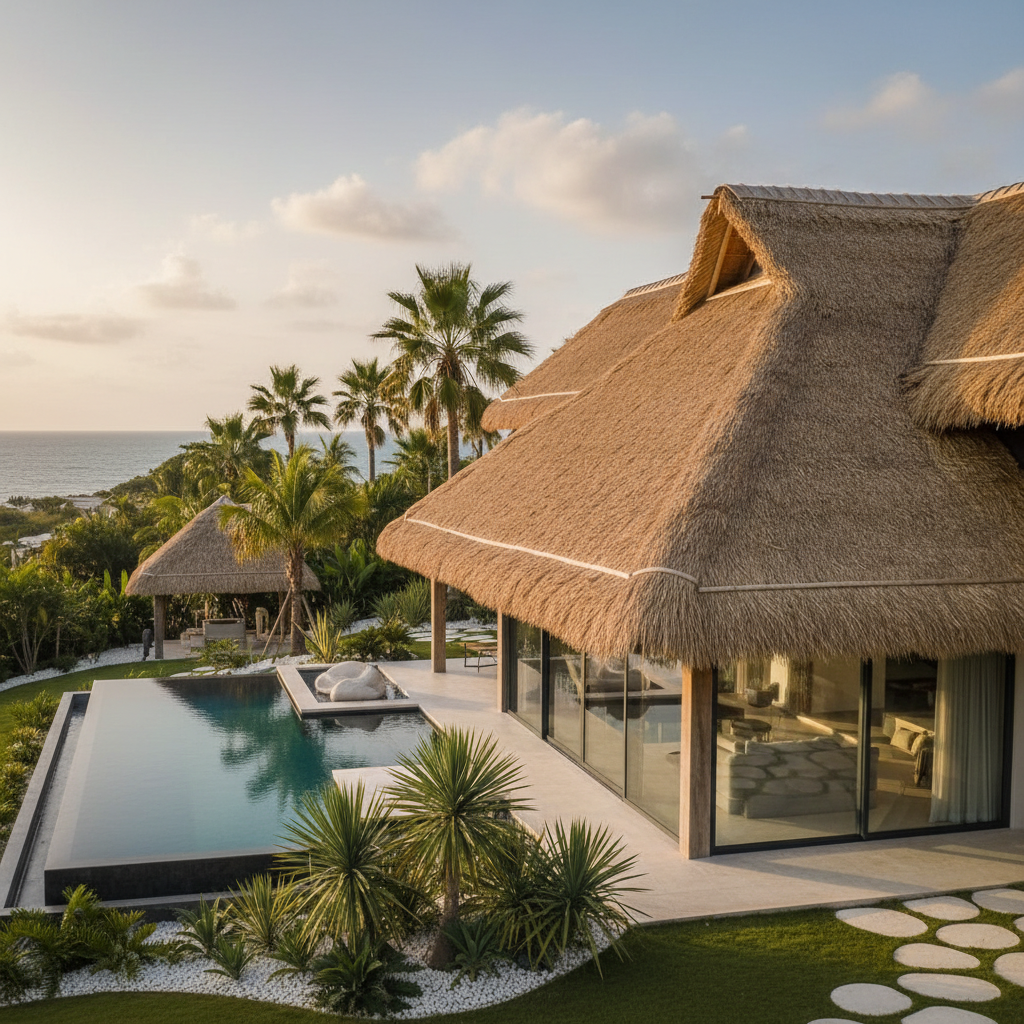
Synthetic Roof Thatch offers an array of compelling benefits, making it an attractive option for those looking to improve their living spaces. As highlighted in a 2022 study by the American Roofing Association, synthetic thatch delivers superior durability and weather resistance compared to natural counterparts, often lasting up to 50% longer. Additionally, with advancements in manufacturing technology, these synthetic materials can effectively mimic the look of authentic thatch while requiring minimal maintenance, thus providing an elegant solution that is both cost-effective and environmentally friendly.
As we delve into the top ten benefits of using Synthetic Roof Thatch for your home, we will explore how this innovative roofing option not only meets aesthetic desires but also aligns with practical needs, ensuring peace of mind for homeowners looking to make informed decisions in their roofing choices.
Advantages of Durability and Longevity in Synthetic Roof Thatch
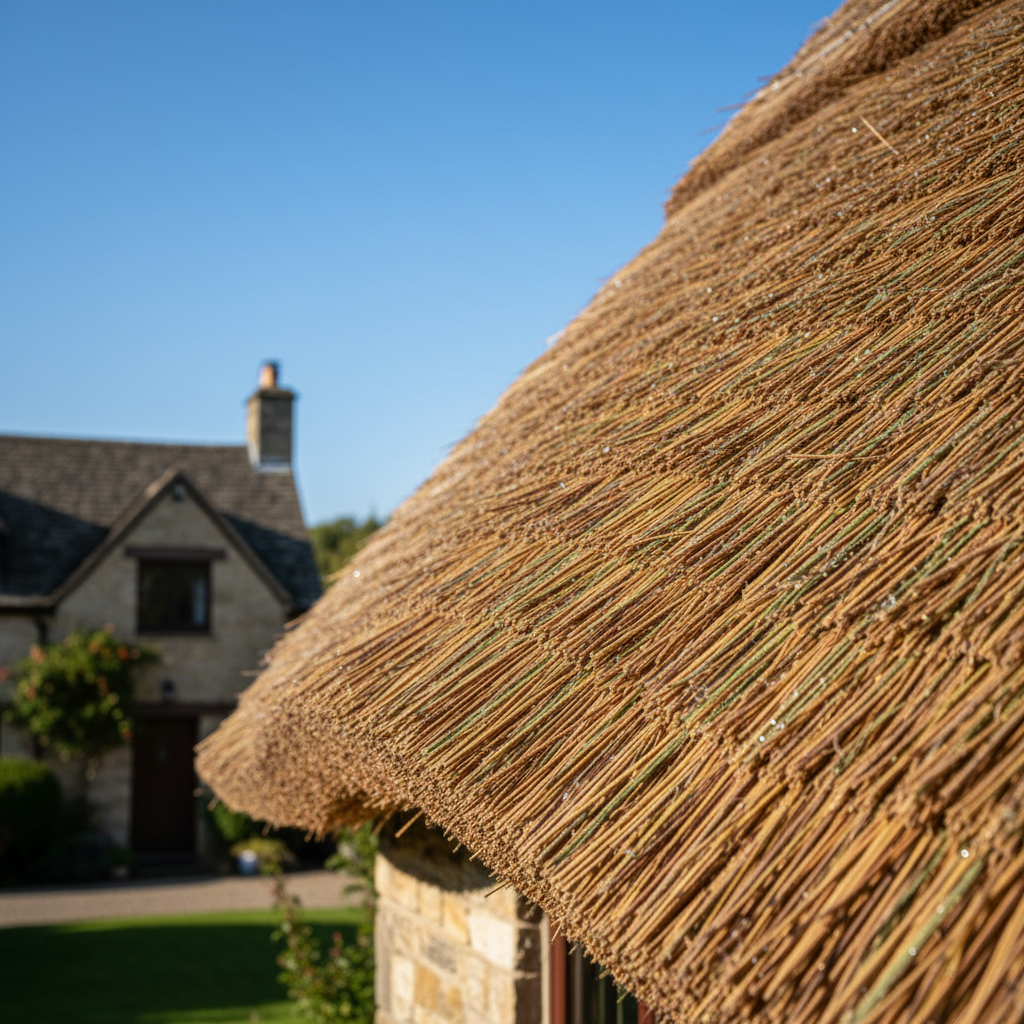
Synthetic roof thatch offers remarkable durability and longevity, making it an excellent choice for homeowners seeking both aesthetic appeal and practical benefits. Unlike traditional thatch, which can deteriorate due to weather conditions and pest infestations, synthetic alternatives are designed to withstand the elements without compromising on appearance. These materials are often resistant to fading, rot, and insect damage, ensuring that your roof maintains its charm for years to come.
The longevity of synthetic roof thatch can significantly reduce maintenance costs over time. Homeowners can enjoy peace of mind knowing that they won't need frequent repairs or replacements, which can be a common issue with natural thatch. Furthermore, many synthetic options come with warranties that extend for decades, reinforcing their reliability. This combination of low upkeep and exceptional resilience makes synthetic thatch not only a smart investment but also a sustainable choice for modern homes.
Cost-Effectiveness and Low Maintenance Requirements Explained
The rise of synthetic roof thatch offers homeowners a compelling combination of cost-effectiveness and low maintenance requirements. Unlike traditional thatch, synthetic options, often made from durable materials such as PVC or synthetic straw, boast a significantly longer lifespan, decreasing the frequency and cost of replacements. Market reports indicate that synthetic roofing can last up to 50 years, while traditional thatch may only reach 15-20 years, showcasing a clear advantage in terms of longevity and overall investment.
Moreover, the low maintenance nature of synthetic thatch contributes to its appeal. Homeowners can save time and money, as these roofs require minimal upkeep compared to their natural counterparts, which can be prone to mold, pests, and water damage. According to industry analyses, maintenance costs for synthetic roofs are generally reduced by 30% when compared to traditional thatch, allowing homeowners to allocate their resources more efficiently. This combination of durability and reduced maintenance makes synthetic roof thatch an attractive option for modern homeowners seeking both aesthetic appeal and practical benefits.
Top 10 Benefits of Using Synthetic Roof Thatch
Environmental Benefits: Sustainable Options of Synthetic Thatch
Synthetic roof thatch offers a range of environmental benefits that make it a sustainable choice for homeowners looking to enhance their properties. Unlike traditional thatch, which can require the harvesting of natural materials, synthetic options are often made from recycled materials, reducing the demand for raw resources. This process not only helps in conserving natural habitats but also minimizes the carbon footprint associated with the production and transport of roofing materials.
Moreover, synthetic thatch is designed to withstand harsh weather conditions, significantly extending its lifespan compared to natural alternatives. This durability means that less frequent replacements are needed, further conserving resources over time. Additionally, many synthetic thatch products are engineered to be fire-resistant and UV-stabilized, contributing to overall energy efficiency in homes. Homeowners can benefit from reduced energy costs while also promoting eco-friendly practices through their choice of roofing materials. The combination of reduced resource consumption, longevity, and energy efficiency positions synthetic thatch as a responsible choice for environmentally conscious homeowners.
Top 10 Benefits of Using Synthetic Roof Thatch for Your Home - Environmental Benefits: Sustainable Options of Synthetic Thatch
| Benefit |
Description |
Environmental Impact |
| Durability |
Synthetic thatch can withstand harsh weather conditions, lasting significantly longer than natural materials. |
Reduced waste from frequent replacements and lower resource consumption. |
| Low Maintenance |
Requires minimal care compared to natural thatch, which can attract pests and mold. |
Decreased need for chemicals and treatments that might harm the environment. |
| Energy Efficiency |
Provides excellent insulation, leading to lower energy consumption for heating and cooling. |
Less reliance on fossil fuels for temperature control, contributing to reduced carbon footprint. |
| Water Resistant |
Synthetic materials can be designed to be water-resistant, preventing leaks and property damage. |
Lower risk of water damage leads to reduced resources spent on repairs. |
| Insect Resistance |
Synthetic thatch does not attract insects, unlike natural alternatives. |
Less pesticide usage aids in protecting local ecosystems. |
| Recyclability |
Many synthetic thatching products can be recycled at the end of their life cycle. |
Promotes circular economy practices and reduces landfill impact. |
| Aesthetic Variety |
Available in various styles that can mimic natural thatch while offering flexibility in design. |
Enables homeowners to personalize their homes without compromising sustainability. |
| Fire Resistance |
Some synthetic materials are treated for fire resistance, adding safety. |
Reduced potential for wildfire spread in vulnerable areas. |
| Cost-Effectiveness |
Though initially more expensive, lower maintenance and replacement needs save money over time. |
Long-term savings contribute to better resource allocation in home investments. |
| Sustainability |
Manufactured using sustainable materials, often including recycled content. |
Supports eco-friendly construction practices and conservation of natural resources. |
Aesthetic Appeal: Enhancing Your Home's Curb Appeal with Synthetic Thatch
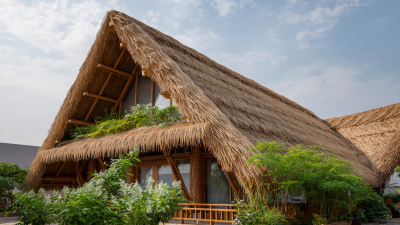
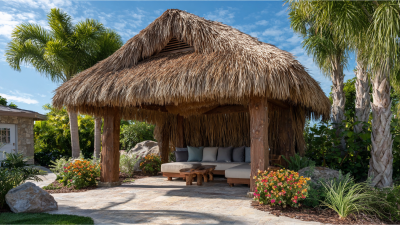
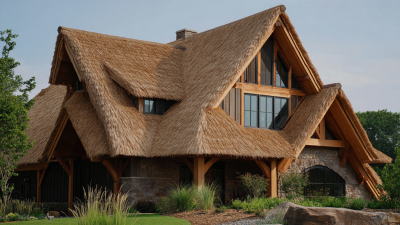
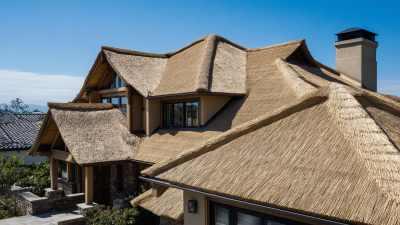
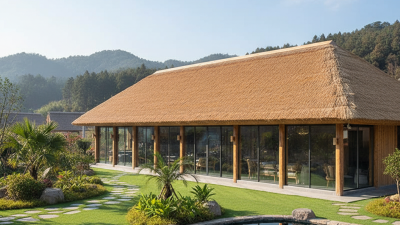
Synthetic thatch offers a visually appealing alternative to traditional roofing materials, making it an excellent choice for enhancing your home's curb appeal. With its realistic texture and natural appearance, synthetic thatch can elevate the aesthetics of your property while providing the durability that homeowners desire. Unlike natural thatch, synthetic options are resistant to weather, pests, and decay, ensuring that your home's exterior maintains its charm without the need for extensive maintenance.
To maximize the aesthetic appeal of synthetic thatch, consider integrating complementary landscaping elements. For example, pairing your thatched roof with lush greenery or vibrant flowers can create a harmonious look. Additionally, incorporating outdoor lighting can highlight the unique texture and color of the thatch during the evening, further enhancing its visual impact.
Tips: When selecting synthetic thatch, choose colors that match your home’s overall design. Experiment with different styles and finishes to find the right look for your property. Regularly check for any debris that may accumulate on the roof to keep it looking pristine and maintain its longevity.
Fire Resistance and Safety Features of Synthetic Roof Thatch
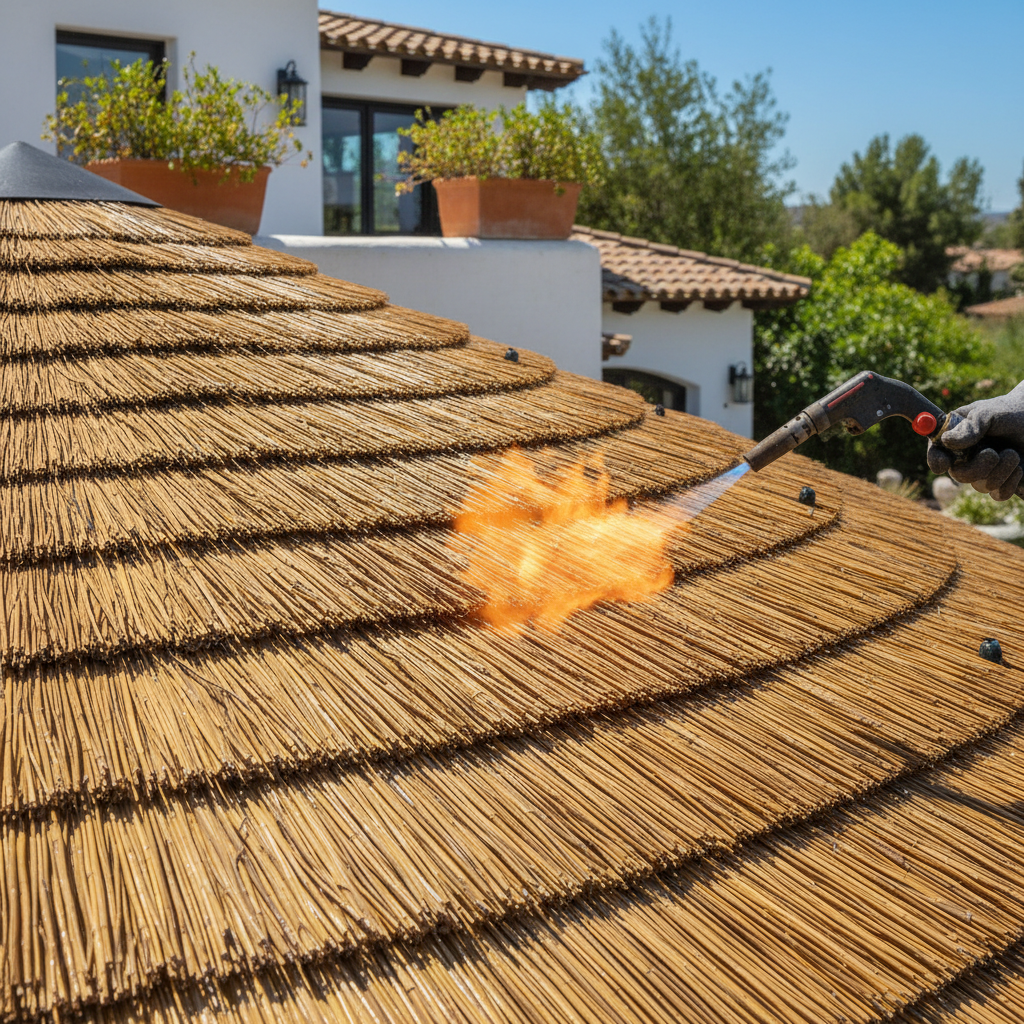
When considering roofing options, fire resistance is a critical factor for homeowners. Synthetic roof thatch stands out in this regard, providing enhanced safety features compared to traditional thatching materials. Made from advanced materials, synthetic thatch is engineered to resist flames, significantly reducing the risk of fire spread in case of an emergency. This quality not only offers peace of mind to homeowners but also helps them comply with local building codes focused on fire safety.
In addition to its fire-resistant properties, synthetic roof thatch incorporates other safety features. Many products are designed to be non-combustible, which means they will not catch fire easily, adding an extra layer of protection for your home. Furthermore, synthetic materials often come treated with fire-retardant chemicals, ensuring that homeowners can enjoy the aesthetic appeal of thatch without compromising on safety.
Choosing synthetic roof thatch not only elevates the beauty of your home but also prioritizes the safety of your family.