Top Benefits of Fireproof Artificial Thatch for Your Projects?
In recent years, the construction industry has seen a rising interest in "Fireproof Artificial Thatch." This innovative roofing solution offers numerous advantages. Renowned architect and industry expert, Dr. Emily Carter, emphasizes, "Fireproof Artificial Thatch is revolutionizing how we approach fire safety in building design."
This material not only mimics the aesthetic appeal of traditional thatch but also provides essential fire-resistant properties. Homeowners and builders can feel secure knowing their structures are better protected. The durability and low maintenance requirements of Fireproof Artificial Thatch further enhance its appeal.
While many view it as a modern alternative, some critics argue that it lacks the charm of natural thatch. Nonetheless, it addresses crucial safety concerns. The benefits of Fireproof Artificial Thatch are clear, yet its widespread acceptance will take time. Finding the right balance between aesthetics and safety remains a challenge in the industry.
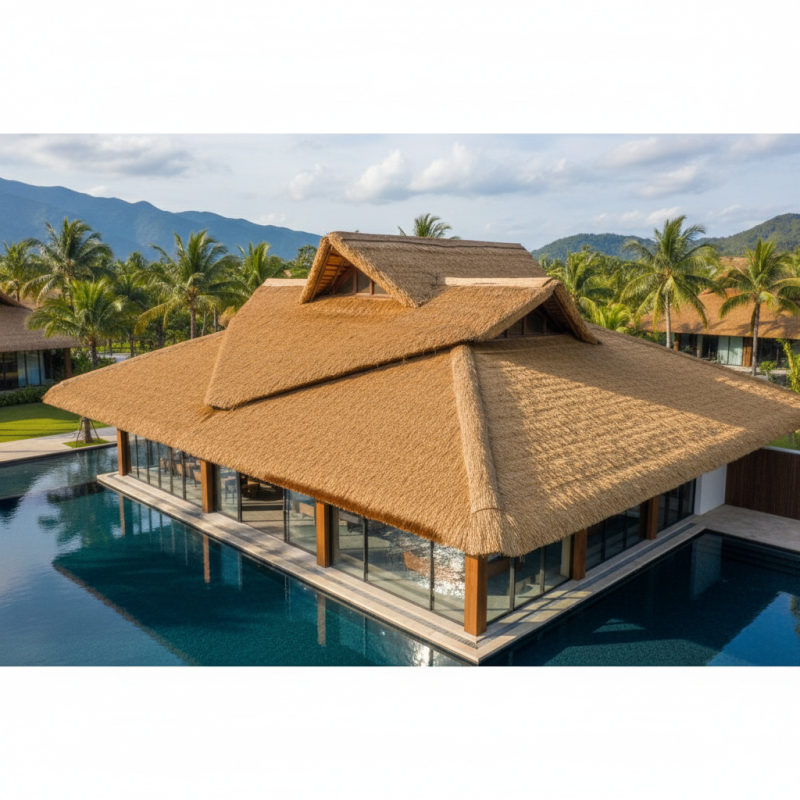
Key Features of Fireproof Artificial Thatch Materials
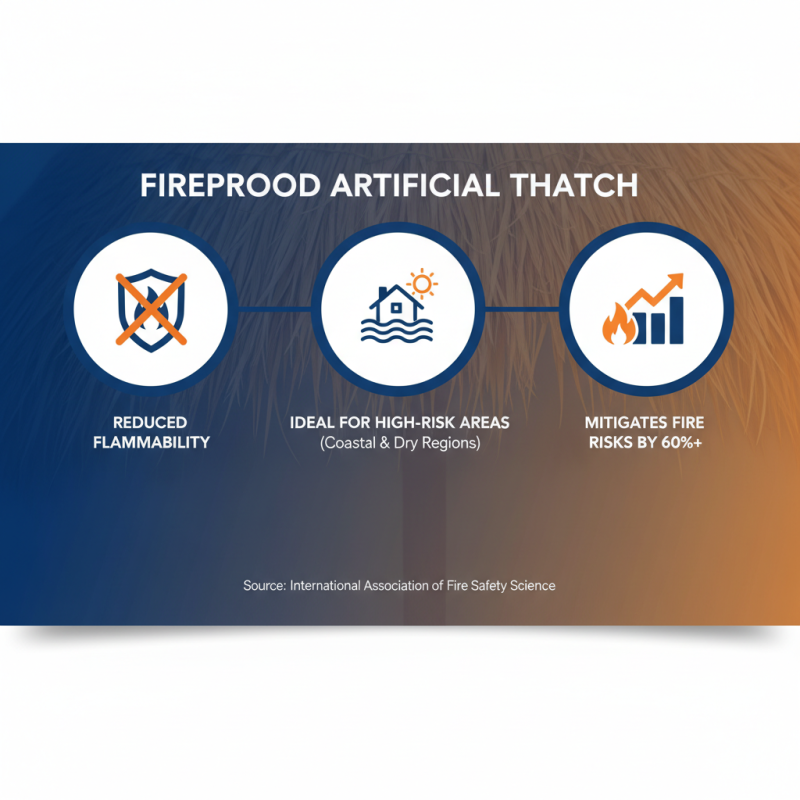
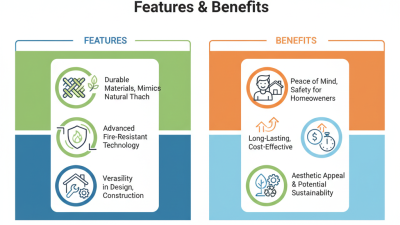
Fireproof artificial thatch has gained considerable attention in construction and design projects. Its key features significantly enhance safety and aesthetic appeal. These materials are engineered to meet stringent fire safety standards, offering a reduction in flammability. According to the International Association of Fire Safety Science, fire-resistant materials can mitigate fire risks by over 60%. This valuable characteristic makes fireproof artificial thatch ideal for high-risk areas, such as coastal and dry regions where wildfires are prevalent.
One notable aspect of fireproof artificial thatch is its realistic appearance. Many modern versions mimic traditional thatch while providing enhanced fire resistance. This dual benefit enables architects and builders to achieve a classic look without compromising safety. Additionally, fireproof materials can be more cost-effective in the long run. A report by the National Fire Protection Association indicates that using fire-retardant materials can reduce insurance premiums significantly.
**Tip: When selecting fireproof artificial thatch, ensure you verify its compliance with local fire codes.** Pay attention to documentation that outlines its fire rating. **Tip: Consider the installation environment.** Proper installation can enhance the material’s performance. Be sure to assess the underlying structure carefully to avoid potential vulnerabilities.
Benefits of Using Fireproof Thatch in Various Construction Projects
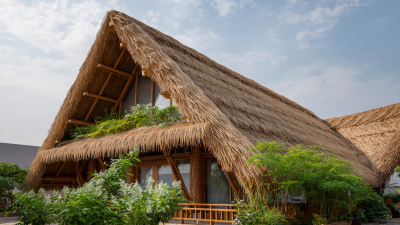
Fireproof artificial thatch has become increasingly popular in various construction projects due to its unique advantages. It offers a compelling blend of aesthetics and safety. Many property owners appreciate the authentic look of thatch, yet they prioritize fire safety. This material combines the visual appeal of traditional thatch with modern fire-resistant technology, making it suitable for diverse settings, from residential homes to commercial structures.
The key benefit of fireproof thatch is its enhanced safety features. In specific regions, fire risk management is critical. This product reduces flammability, providing peace of mind for homeowners and developers. Additionally, the lightweight nature of artificial thatch simplifies installation. It can be easily integrated into existing designs without significant structural reinforcement, saving time and labor costs.
While fireproof artificial thatch has many strengths, it is essential to consider its limitations. This material may require specific treatments to ensure full fire resistance. Improper application could lead to performance issues, impacting its overall effectiveness. Therefore, working with experienced professionals is vital. Only they can guarantee a successful installation that meets safety standards and enhances the project’s design.
Comparison of Fireproof Thatch vs. Traditional Thatch Roofing
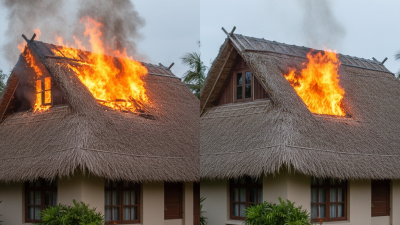
When choosing roofing materials, fireproof artificial thatch offers several advantages over traditional thatch. Traditional thatch can easily catch fire, posing a risk, especially in dry climates. In contrast, fireproof artificial thatch is designed to withstand high temperatures and flames, providing safety without sacrificing aesthetic appeal. Fireproof materials can dramatically reduce fire hazard ratings, giving property owners peace of mind.
Another notable difference lies in the durability and maintenance of both options. Traditional thatch requires regular maintenance, such as replacing damaged sections. This can be time-consuming and costly in the long run. Fireproof artificial thatch, however, typically requires less upkeep due to its synthetic composition. These roofs can resist pests and weather damage, making them a reliable choice for long-term investments. While fireproof options might initially seem more expensive, the savings on maintenance and peace of mind can be considerable.
However, some argue that artificial options may not replicate the natural charm of traditional thatch. The aesthetic may appear less authentic, which can be a concern for those seeking a rustic appearance. It is essential to weigh these aspects carefully when making a decision, considering both safety and style preferences in the long run.
Top Benefits of Fireproof Artificial Thatch for Your Projects
| Feature |
Fireproof Artificial Thatch |
Traditional Thatch Roofing |
| Fire Resistance |
High, meets fire safety standards |
Low, susceptible to fire hazards |
| Durability |
Long-lasting with minimal maintenance |
Requires frequent maintenance and replacement |
| Cost-Effectiveness |
Higher initial cost but lower long-term expenses |
Lower initial cost but higher long-term upkeep |
| Aesthetic Appeal |
Authentic appearance with modern finishes |
Classic look but may appear worn over time |
| Environmental Impact |
Made from recyclable materials |
Natural materials but less sustainable due to harvesting |
Environmental Impact of Fireproof Artificial Thatch Products
Fireproof artificial thatch offers several environmental benefits that deserve attention. Materials used in these products are often designed for durability and sustainability. Unlike traditional thatch, which may require constant maintenance and replacement, fireproof options help reduce waste over time. This longevity saves resources, from production to disposal.
Moreover, many fireproof artificial thatch products are made from recyclable materials. This aspect is crucial in minimizing the ecological footprint associated with roofing materials. Such synthetic methods can lessen the demand for natural resources like straw or reeds, which are often harvested unsustainably. However, the production processes must also be examined for their impact on the environment, including energy consumption and waste generation.
It's important to acknowledge that these benefits don't come without a cost. The production of artificial materials can sometimes introduce harmful chemicals. Ensuring responsible manufacturing practices is vital for true environmental advantages. An informed choice involves weighing these factors and seeking transparency from manufacturers regarding their processes and materials used.
Cost-Effectiveness and Longevity of Fireproof Thatch Solutions
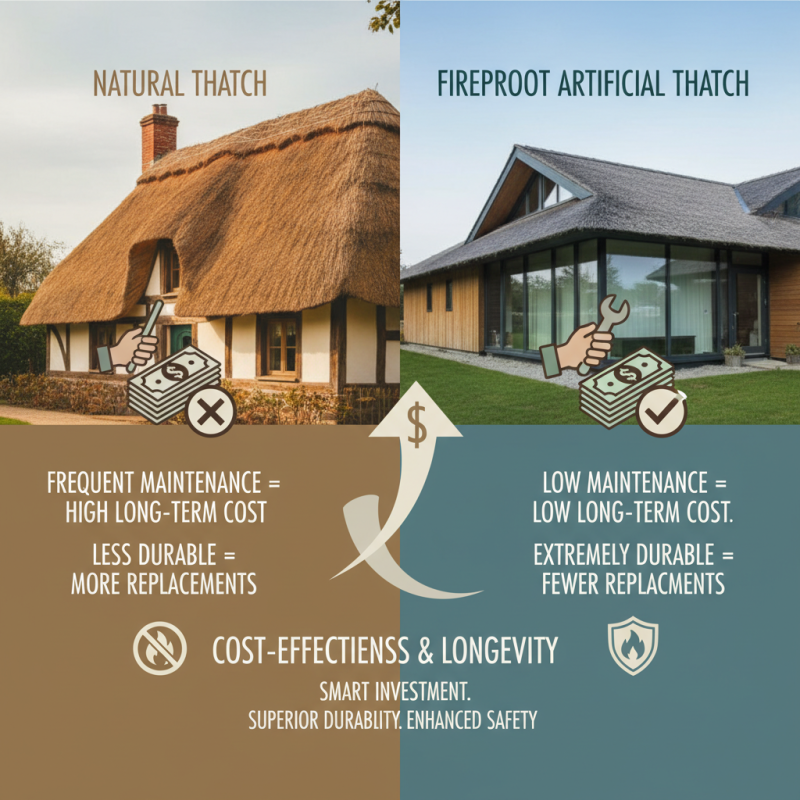
Fireproof artificial thatch presents significant advantages for construction projects. Its cost-effectiveness is a key feature. Natural thatch may require frequent maintenance, which can be costly over time. In contrast, fireproof artificial options require less upkeep, ultimately saving money. Their durability means fewer replacements, making them a smart financial choice.
Longevity is another critical aspect. Fireproof thatch can withstand harsh environmental conditions. This resilience ensures that your investment lasts longer. It also enhances safety, providing peace of mind amid fire hazards. Projects benefit from this added security.
Tip: Choose installers with experience in fireproof materials. Their expertise will ensure the proper installation of the thatch. Another tip: Always consider the environment. Products should maintain safety without harming surroundings. Reflections on sustainability are vital in today’s construction methods.