Top Benefits of Choosing Artificial Thatch Roof for Your Home?
Choosing an Artificial Thatch Roof for your home comes with many advantages. Thomas Henderson, a recognized expert in roofing solutions, states, “Artificial thatch combines beauty with durability.” His words reflect a growing trend in modern architecture.
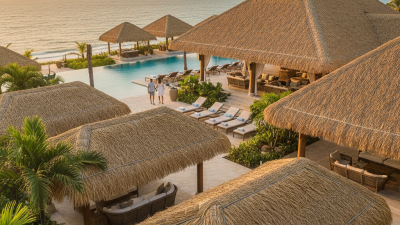
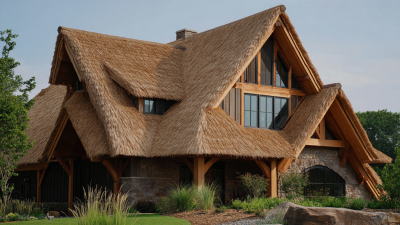
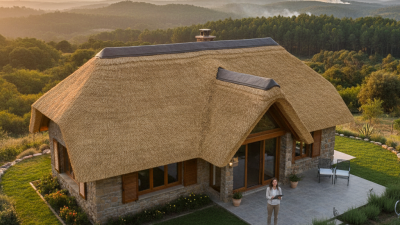
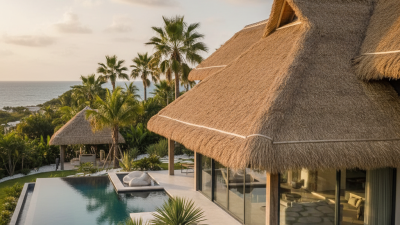
Artificial Thatch Roofs offer a unique aesthetic. They mimic traditional thatch roofs while using synthetic materials. This not only enhances the home's appeal but also provides superior weather resistance. Homeowners appreciate the low maintenance required. Unlike natural thatch, artificial options do not attract pests. This makes them a practical choice for many.
However, despite their benefits, some may still hesitate. The initial investment can seem high. It raises questions for those unsure about long-term value. The key is evaluating how an Artificial Thatch Roof can enhance your home’s overall design and functionality. It might be worth considering how these roofs stand the test of time against natural alternatives.
Benefits of Artificial Thatch Roof: A Sustainable Choice for Homeowners
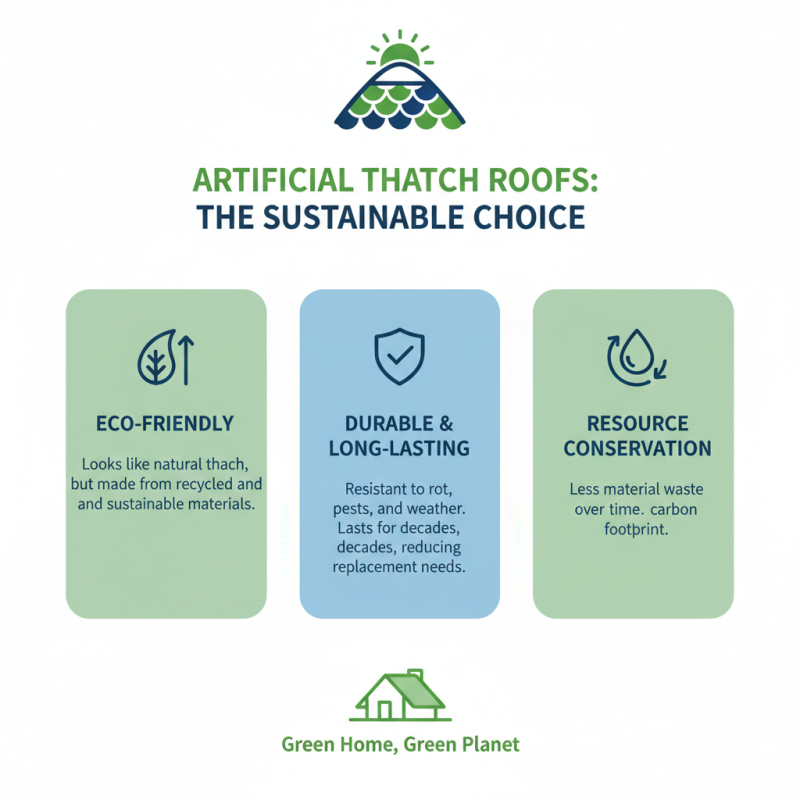
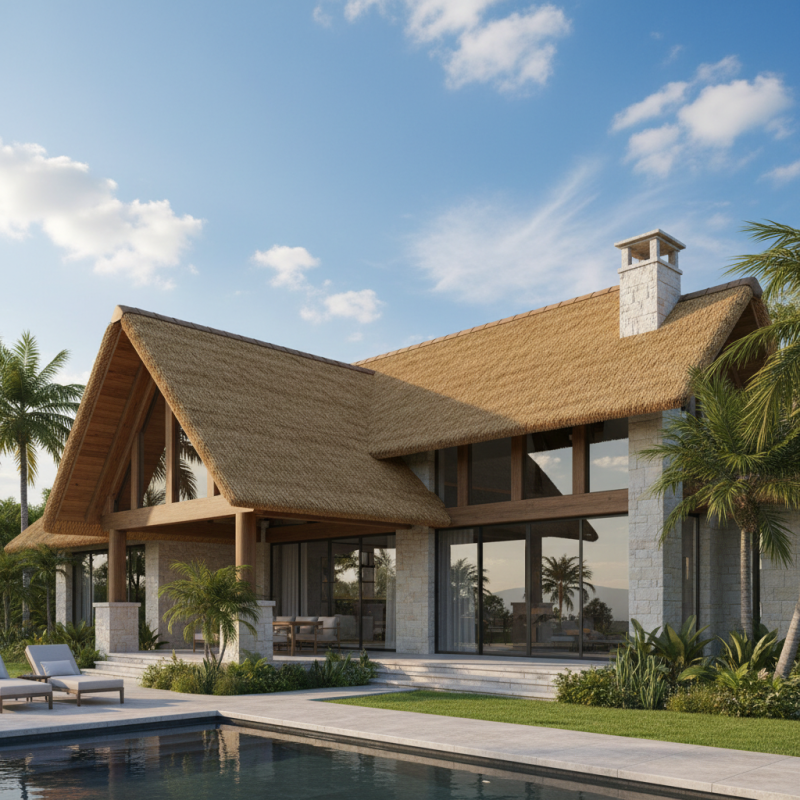
Artificial thatch roofs offer a sustainable choice for homeowners seeking eco-friendly options. They provide the aesthetic appeal of traditional thatch without the same environmental impact. These roofs are made from materials that are long-lasting, reducing the need for frequent replacements. This feature helps to conserve resources over time, a significant advantage for eco-conscious consumers.
Tips: When considering artificial thatch, check if the materials used are recyclable. It is wise to explore local regulations about roofing materials. This ensures compliance and promotes sustainability in your area.
Another benefit is energy efficiency. Artificial thatch can insulate homes well, keeping them cooler in summer and warmer in winter. This can lead to reduced energy bills over time. However, some homeowners may overlook ventilation needs, which can cause issues. Balancing insulation and air circulation is crucial for performance.
Tips: Monitor your energy consumption before and after installation. This can help you understand actual savings compared to expectations. Additionally, ensure professional installation to avoid potential pitfalls. Proper care and periodic inspections will maintain the roof's integrity, enhancing long-term benefits.
Energy Efficiency of Artificial Thatch Roofs Compared to Traditional Materials
Artificial thatch roofs offer remarkable energy efficiency compared to traditional roofing materials. Studies show that artificial thatch can lower energy costs by up to 30%. This is attributed to its insulation properties. As a result, homes with these roofs require less heating in winter and less cooling in summer. With fewer energy demands, homeowners can enjoy both comfort and savings.
Moreover, the aesthetic appeal of artificial thatch roofs does not compromise their efficiency. They retain a natural look while providing superior thermal performance. Reports indicate that traditional materials like asphalt shingles allow more heat transfer. This can lead to higher energy bills over time. The visual charm of thatch combined with energy savings makes it an attractive option for many homeowners.
However, some may question the longevity of artificial thatch. Early models showed wear quicker than expected. Maintenance routines are also crucial. Regular checks can ensure long-term performance. Homeowners must balance beauty with practicality. Energy-efficient materials are essential, but durability cannot be overlooked.
Top Benefits of Choosing Artificial Thatch Roof for Your Home
| Benefit |
Artificial Thatch |
Traditional Thatch |
| Energy Efficiency |
Excellent thermal insulation, reducing heating and cooling costs |
Moderate thermal insulation, higher energy costs |
| Durability |
Long-lasting, resistant to harsh weather conditions |
Less durable, may require frequent repairs |
| Maintenance |
Low maintenance, easy to clean and maintain |
High maintenance, regular upkeep needed |
| Environmental Impact |
Made from recyclable materials, eco-friendly |
Natural materials, but can lead to deforestation |
| Fire Resistance |
Fire-resistant options available |
Higher risk of fire |
| Aesthetic Appeal |
Modern designs, customizable appearance |
Traditional, rustic look |
Longevity and Maintenance Benefits of Artificial Thatch Roofing Systems
Artificial thatch roofing systems bring distinct longevity and maintenance advantages. Unlike natural thatch, artificial options can withstand harsh weather conditions. They are resistant to mold, pests, and UV rays. This durability means less frequent replacements. Homeowners enjoy long-term savings as a result.
Maintenance is simplified with artificial thatch. Regular cleaning is often sufficient to maintain its appearance. Unlike organic materials, artificial thatch does not require specialized treatments. It offers peace of mind, freeing owners from constant upkeep worries. However, installation may demand skilled labor and initial investment.
Some homeowners may worry about authenticity. Artificial materials can look less natural. It's essential to choose styles that blend with the home’s surroundings. The color may fade slightly over time, requiring replacement. Reflecting on these points is wise, ensuring the best choice for your home.
Cost-Effectiveness of Artificial Thatch Roofs Over Their Lifespan
Artificial thatch roofs offer unique visual appeal and practicality for homeowners. One major benefit is their cost-effectiveness over time. According to a report by the National Roofing Contractors Association, artificial thatch materials can last up to 50 years with minimal maintenance. This longevity reduces the need for frequent replacements, making it a worthwhile investment.
The initial purchase price may seem higher compared to traditional roofing materials. However, when you factor in the lifespan and maintenance, the costs balance out. A study by the American Society of Heating, Refrigerating and Air-Conditioning Engineers highlighted that artificial thatch roofs save homeowners around 30% on yearly maintenance and energy bills. They provide excellent insulation, keeping homes cooler in summer and warmer in winter.
Some homeowners express concerns about installation costs. While it's true that skilled labor is required, the long-term savings ease this burden. Additionally, many report satisfaction with the aesthetic value added to their properties. The choice of colors and textures enhances curb appeal and can even increase property value. It’s important, though, to consider local climate conditions and choose materials that suit them. Balancing aesthetics with practicality is crucial for wise decision-making.
Aesthetic Appeal and Design Flexibility of Artificial Thatch Roofing Solutions
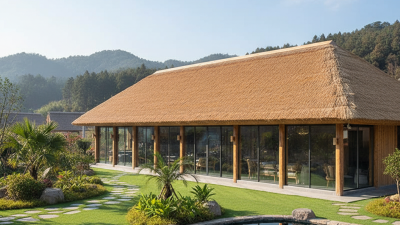
Artificial thatch roofing has gained popularity in recent years. Its aesthetic appeal truly transforms homes. Distinctive textures and natural colors mimic traditional thatch styles. Homeowners find that they can match different architectural designs seamlessly. Research shows that nearly 70% of homeowners prefer the look of artificial materials over real thatch. This trend suggests a shift towards modern solutions with classic appearances.
The design flexibility of artificial thatch is remarkable. It allows for custom shapes and sizes, fitting various roof configurations. This adaptability appeals to architects and designers. Additionally, artificial thatch can withstand harsh weather conditions better than natural alternatives. Reports indicate that roofs made from artificial materials can last up to 50 years. However, it’s vital to consider cost implications. While installation may be higher initially, maintenance costs can be lower over time. Some homeowners report mixed experiences regarding heat insulation. This aspect may require further research to optimize energy efficiency.
Aesthetic and practical advantages of artificial thatch roofing make it an intriguing option. Yet, it raises questions about environmental impact and sustainability. As it becomes widely adopted, evaluating these factors will be essential. Balancing beauty and eco-friendliness remains a challenge for future developments in this market.
Top Benefits of Choosing Artificial Thatch Roof for Your Home
This bar chart illustrates the top benefits of choosing artificial thatch roofing for your home, highlighting its aesthetic appeal, design flexibility, durability, maintenance reduction, and energy efficiency. Each benefit is quantified to provide a clear understanding of its significance.