Exploring the Benefits of Artificial Thatch for Your Property?
Artificial Thatch is becoming a popular choice for property owners seeking cost-effective and durable roofing solutions. With rising construction costs, many are looking for alternatives. Recent reports indicate a 30% increase in the adoption of synthetic materials in roofing. Experts are recognizing the long-term benefits of Artificial Thatch, emphasizing its resilience against harsh weather. Dr. Emily Carter, a leading figure in roofing materials research, states, “Artificial Thatch provides not just aesthetic value, but also sustainability and low maintenance.”
Beyond its visual appeal, Artificial Thatch offers functional advantages. Unlike traditional thatch, synthetic options resist pests and rot. They can withstand UV rays and heavy rain, reducing the need for frequent replacements. For homeowners, this translates into significant savings over time. However, some might question the authenticity of artificial materials versus natural ones. This hesitation is valid but often rooted in a lack of awareness about advancements in technology that enhance synthetic options.
Incorporating Artificial Thatch can elevate a property’s charm. Yet, it’s crucial to choose high-quality products to ensure performance and longevity. Industry experts recommend extensive research before making a decision. With the right approach, Artificial Thatch can be an excellent investment for modern homeowners looking to balance style, durability, and cost efficiency.
Understanding Artificial Thatch: Definition and Composition
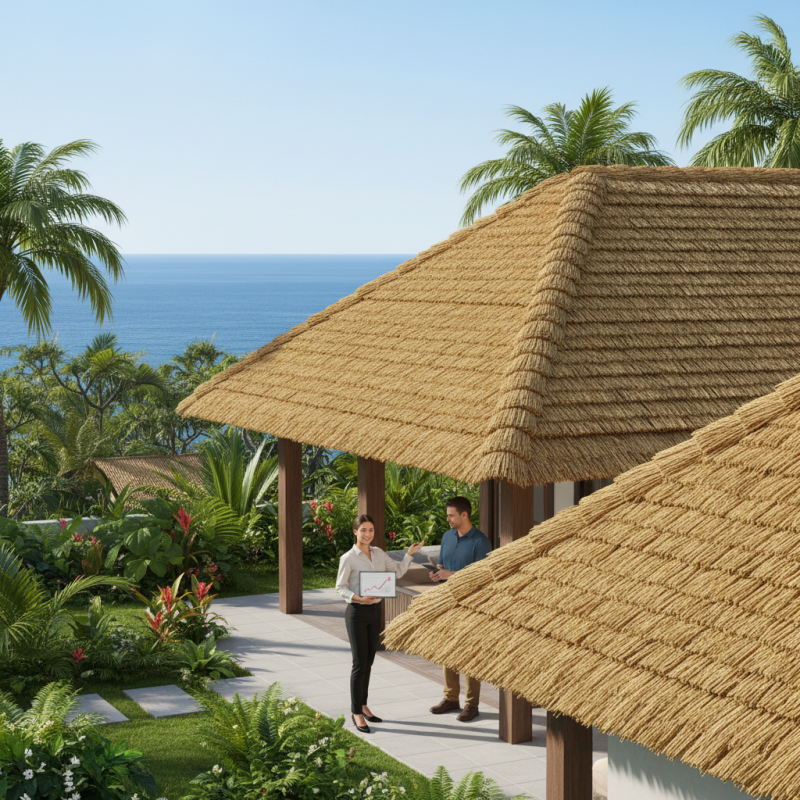
Artificial thatch is becoming popular among property owners. Its main components include synthetic materials like polyethylene and polypropylene. These materials are designed to mimic natural thatch. They provide durability and resistance to harsh weather conditions.
Data from the International Landscape Association indicates that artificial thatch can last up to 25 years with proper maintenance. This lifespan is significantly longer than traditional thatch, which typically requires replacement every 10 to 15 years. The lower maintenance needs can lead to reduced costs over time. However, some critics argue that artificial options may not capture the aesthetic charm of real thatch.
While the environmental impact of synthetic materials is a concern, advancements in recycling technologies are improving sustainability. Reports show that as much as 50% of old artificial materials can be recycled into new products. This raises questions about the overall ecological footprint. Property owners must balance aesthetics, functionality, and environmental impact when considering their options.
Key Advantages of Using Artificial Thatch for Landscaping
Artificial thatch is becoming a popular choice for landscaping. Its appeal lies in the numerous benefits it offers to property owners. First, it provides a beautiful aesthetic, mimicking the natural look of traditional thatch. This can enhance the visual appeal of gardens and outdoor spaces. People often notice the vibrant colors and texture it adds to their environment.
In addition to aesthetics, artificial thatch is low maintenance. Unlike natural materials, it does not require frequent repairs or replacements. This means less time and money spent on upkeep. Furthermore, it is resistant to weather and pests. This durability ensures that your property looks great all year round without the hassle of ongoing maintenance.
Tips for selecting artificial thatch: choose high-quality materials to ensure longevity. Ensure proper installation, as even the best materials may fail without it. Monitor for signs of wear over time and consider periodic cleaning. These steps will help maintain the impact of your landscaping, making your property both stunning and hassle-free.
Exploring the Benefits of Artificial Thatch for Your Property
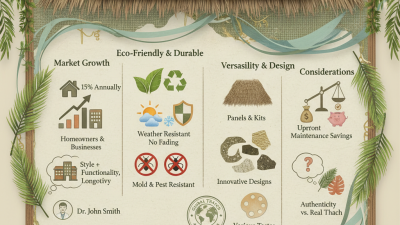
The chart above illustrates the key advantages of using artificial thatch for landscaping projects. The benefits range from cost savings and reduced maintenance to aesthetic appeal, durability, and eco-friendliness, highlighting the practical reasons for choosing artificial options in landscaping designs.
Comparative Analysis: Artificial Thatch vs. Natural Thatch
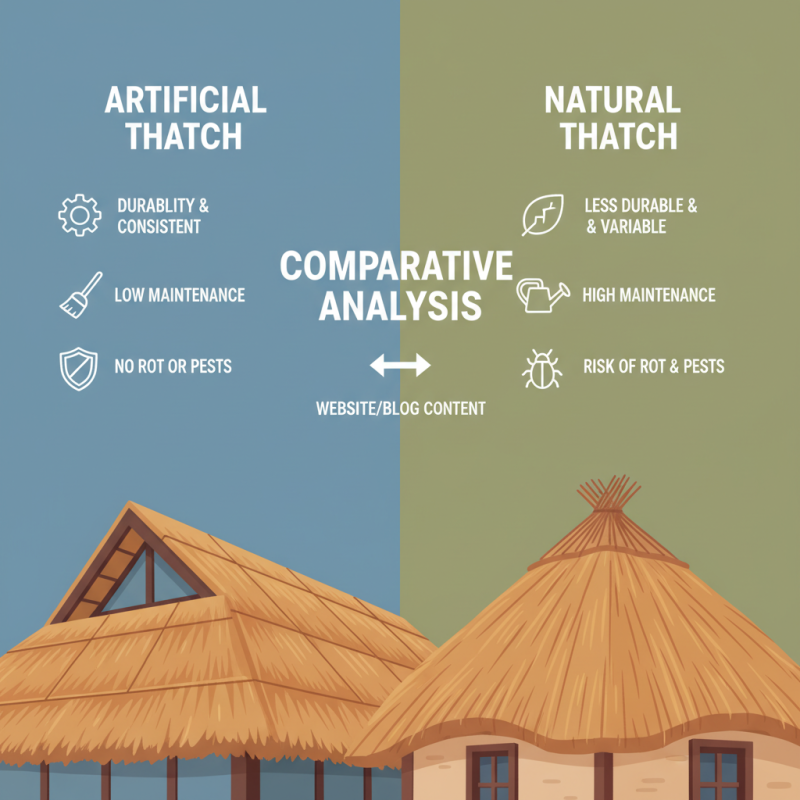
Artificial thatch has gained popularity due to its durability and aesthetic appeal. Unlike natural thatch, it requires less maintenance and offers consistent performance. Artificial options often mimic the appearance of traditional materials without the risk of rot or pests. This makes them suitable for various climates and settings.
However, natural thatch holds a unique charm. It can blend seamlessly with the environment. The organic look appeals to many homeowners. Yet, natural materials typically require more upkeep. They may also degrade over time, leading to higher replacement costs.
In terms of environmental impact, both options present challenges. Artificial thatch is often made from synthetic fibers, which can raise sustainability concerns. Natural thatch is biodegradable but may contribute to deforestation if not sourced responsibly. Property owners should weigh these factors when considering which option best suits their needs.
Installation Process: How to Properly Install Artificial Thatch
Installing artificial thatch can significantly enhance your property’s aesthetics while providing practical benefits. To start, ensure you have all necessary tools and materials ready. A well-prepared workspace maximizes efficiency. You will need a strong adhesive, cutting tools, and a measuring tape.
Begin by measuring the area where you plan to install the thatch. It's crucial to get these measurements right; a mistake here can lead to waste. Once measured, cut the thatch to size, keeping in mind the overlap needed for a natural look. It requires patience and attention to detail, as uneven cuts can affect the final appearance.
Adhering the thatch to your surface is the next step. To ensure a secure fit, apply adhesive evenly and press firmly. Take your time with this step. If the adhesive isn’t applied properly, the thatch can lift or separate over time. It’s vital to check for air bubbles or any irregularities as you progress. This careful installation process will lead to a durable and attractive roof.
Adjustments might be needed as you work, reflecting the installation's craftsmanship nature.
Maintenance Tips for Longevity of Artificial Thatch in Outdoor Spaces
Artificial thatch can enhance the beauty of your outdoor spaces, but it requires proper maintenance for longevity. Regular inspection is essential. Look for any signs of wear or damage. Early detection can prevent more significant issues down the line. Sometimes, minor repairs can drastically extend lifespan.
Cleaning is another crucial aspect. Use a soft brush or low-pressure washer to remove dirt and debris. This simple step can prevent mold growth and keep it looking fresh. Remember to avoid harsh chemicals. They can damage the thatch material over time. Instead, opt for natural solutions when cleaning.
Additionally, consider seasonal maintenance. Strong winds or heavy rain can displace the thatch. Resettling it ensures it remains secure and visually appealing. While artificial thatch is durable, it can fade or weather over time. Replacing faded sections can rejuvenate your property’s look. Reflect on how often you perform these tasks. Regular attention will pay off in maintaining the aesthetic value of your outdoor spaces.
Exploring the Benefits of Artificial Thatch for Your Property?
| Feature |
Description |
Maintenance Tips |
Lifespan |
| Durability |
Artificial thatch is highly resistant to weather elements. |
Regular cleaning to remove debris. |
15-25 years |
| Aesthetic Appeal |
Looks natural and enhances visual value of property. |
Inspect for fading or discoloration. |
10-20 years |
| UV Protection |
Blocks harmful UV rays, protecting outdoor spaces. |
Apply UV protective coatings as needed. |
20+ years |
| Fire Resistance |
Reduced risk of fire hazards compared to natural materials. |
Keep nearby areas free of flammable materials. |
Variable, based on environment |
| Eco-Friendly |
Often made from recyclable materials. |
Choose products that are 100% recyclable. |
Varies, up to 25 years |