2026 Trends in Plastic Synthetic Thatch for Global Buyers?
As global buyers look towards 2026, the shift toward innovative materials is evident. Plastic Synthetic Thatch is emerging as a game-changer in the construction and design sectors. Reports indicate that the synthetic roofing market will grow by 8% annually, driven by sustainability trends and cost-effectiveness.
The 139th Canton Fair is poised to showcase these materials prominently. From April 15 to May 5, diverse sectors, including advanced manufacturing and construction, will engage buyers. The AI-driven features at the fair will streamline the search for suppliers meeting quality certifications like ISO and CE. This efficiency is crucial in the expanding market, where over 1.55 million square meters will be utilized.
However, challenges remain. Many buyers still lack awareness of the long-term benefits of Plastic Synthetic Thatch. Misconceptions about durability and environmental impact persist, hindering adoption. Industry experts argue that further education and clarity are essential to foster acceptance. The future hinges on collaboration among producers, buyers, and researchers to overcome these barriers and maximize the potential of Plastic Synthetic Thatch.
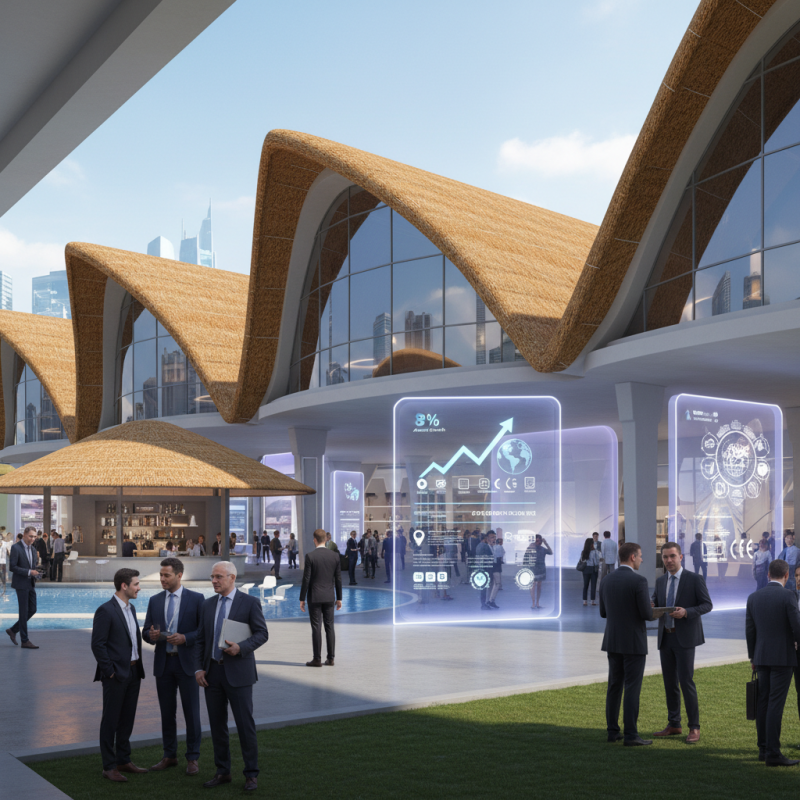
Current State of Plastic Synthetic Thatch in 2026 Market
The plastic synthetic thatch market is evolving rapidly. In 2026, the demand is projected to grow by 15% annually. This increase is propelled by a rise in eco-conscious consumers seeking sustainable options. Research shows that around 40% of buyers prefer synthetic materials due to their durability.
Current trends indicate that synthetic thatch is becoming a popular choice for commercial and residential projects. It offers a variety of designs and colors, appealing to diverse aesthetics. However, some challenges arise here. A notable concern is the environmental impact of production processes. Manufacturing plastic can be resource-intensive. More focus is needed on sustainable practices.
Additionally, the lifespan of synthetic thatch raises questions. While it can last over 25 years, issues related to fading and wear make some buyers wary. Balancing aesthetics and longevity is crucial in this market. Buyers need transparent information about product performance. This will foster trust and allow for informed choices.
2026 Trends in Plastic Synthetic Thatch for Global Buyers
This chart illustrates the projected market trends in plastic synthetic thatch for the year 2026, showcasing key dimensions such as market size, demand growth, and regional preferences.
Key Trends in Plastic Synthetic Thatch for Global Buyers
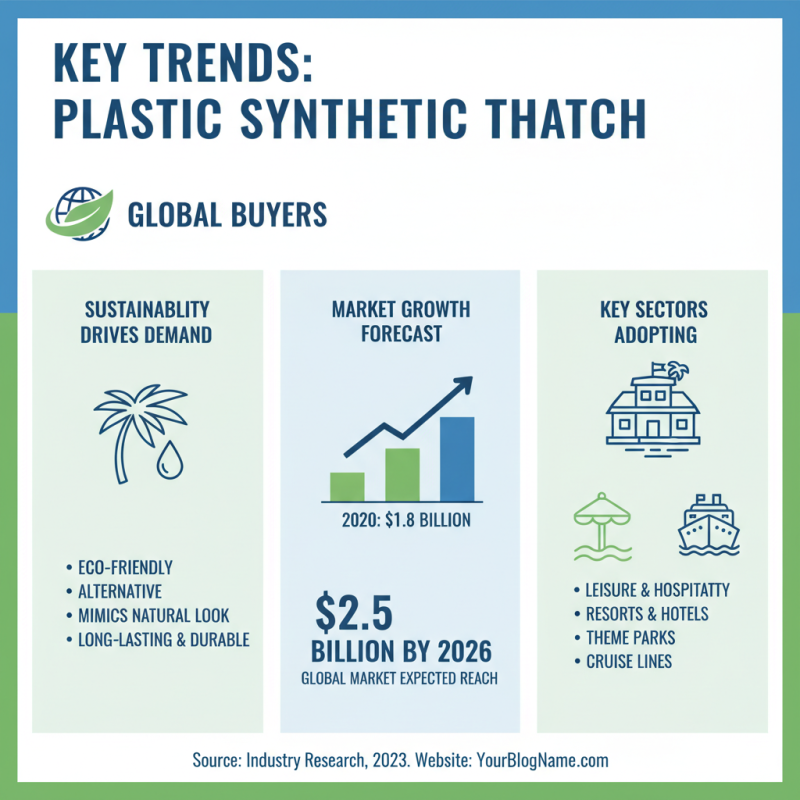
As global interest in sustainable materials grows, plastic synthetic thatch is gaining traction. This innovative option mimics traditional roofing while providing durability and eco-friendliness. Research indicates that the global synthetic thatch market is expected to reach $2.5 billion by 2026, driven by rising demand from the leisure and hospitality sectors.
Buyers should focus on essential trends. First, customization options are becoming a priority. Customers want thatch that fits their aesthetic needs. Secondly, advancements in technology are improving product lifespans. Many synthetic thatch products now offer warranties up to 25 years. Yet, the initial costs can be a hurdle for some buyers. Evaluating long-term savings is crucial.
**Tips:** When selecting synthetic thatch, consider the climate of your region. Some materials perform better in specific environments. Also, explore eco-certifications to ensure sustainability claims are backed by research. This can help mitigate any doubts regarding product quality. Remember, your choice can impact both aesthetics and the environment.
Environmental Impact of Plastic Synthetic Thatch Materials
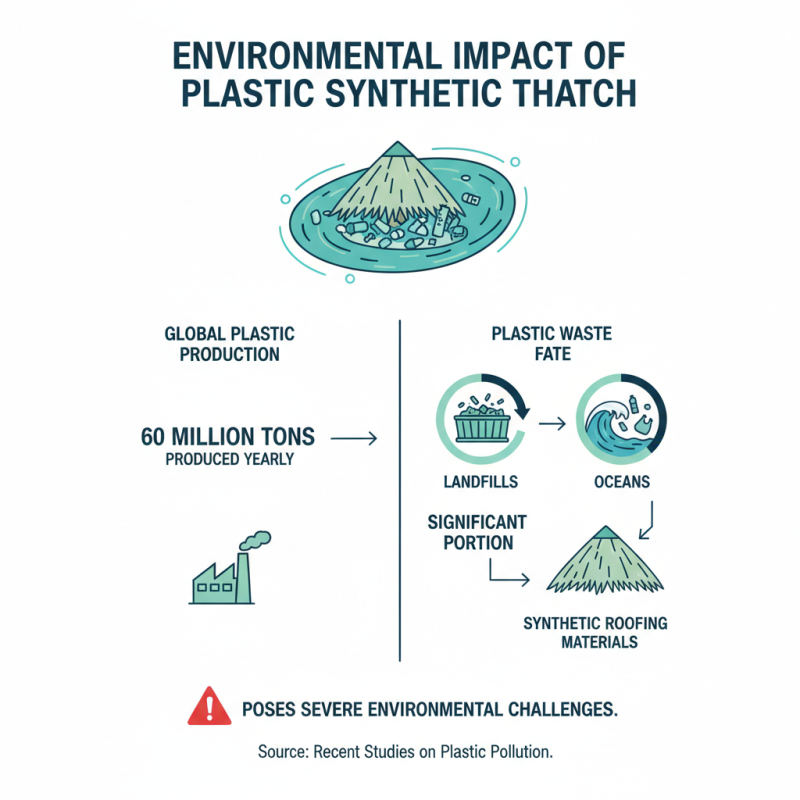
The use of plastic synthetic thatch is on the rise globally. However, it poses significant environmental challenges. According to recent studies, around 60 million tons of plastic are produced each year, much of which ends up in landfills and oceans. A considerable portion of this plastic is in synthetic roofing materials, like thatch.
Plastic synthetic thatch lasts much longer than natural options. It can withstand harsh weather and does not decompose. Yet, this durability comes at a cost. Research shows that plastics take over 400 years to break down naturally. This raises concerns about pollution and wildlife safety. Birds and fish often mistake plastic debris for food.
While plastic synthetic thatch may reduce deforestation, it is not a panacea. The production process releases greenhouse gases. A 2022 report indicated that plastic production could account for 20% of the world's carbon emissions by 2030. That’s alarming. Buyers need to reflect on their choices. Sustainable alternatives exist but require careful consideration. Focusing solely on cost or longevity can be misleading. Looking ahead, better recycling methods and biodegradable options might be the key to a more sustainable future.
Comparative Analysis of Traditional Thatch vs. Synthetic Options
When selecting roofing materials, traditional thatch and synthetic options offer distinct advantages and challenges. Traditional thatch, derived from natural grasses, presents an aesthetic charm. It has been used for centuries and creates a rustic atmosphere. However, it requires significant maintenance. A report from the International Thatching Society noted that traditional thatch can last approximately 15 to 25 years with proper care. Weather exposure, pests, and deterioration can reduce its lifespan.
On the other hand, synthetic thatch provides a durable alternative. It is designed to mimic the look of natural thatch while eliminating many downsides. According to market research, synthetic thatch can last over 30 years and is much more resistant to harsh weather conditions. Moreover, it requires little to no upkeep, making it appealing to homeowners looking for low-maintenance solutions. However, some buyers may find synthetic materials less eco-friendly, raising concerns regarding environmental impact.
The choice between these options can be challenging. Traditional thatch supports natural habitats but demands more resources. Conversely, while synthetic options offer longevity, they may not align with environmental values. Each choice reflects different priorities and circumstances for buyers navigating the roofing landscape.
2026 Trends in Plastic Synthetic Thatch for Global Buyers - Comparative Analysis of Traditional Thatch vs. Synthetic Options
| Feature |
Traditional Thatch |
Synthetic Thatch |
| Durability |
5-10 years |
25-50 years |
| Maintenance |
High |
Low |
| Cost (per sq ft) |
$10 - $15 |
$5 - $10 |
| Water Resistance |
Moderate |
High |
| Eco-friendliness |
Natural materials |
Recyclable manufacturing options |
| Fire Resistance |
Low |
High |
Future Innovations and Technologies in Plastic Thatch Production
As the demand for sustainable building materials grows,
plastic synthetic thatch emerges as a viable alternative. Innovations in production techniques continue to shape the future of this material. New methods reduce waste and optimize energy efficiency. For instance, eco-friendly processes now allow manufacturers to create thatch from recycled plastics. This not only addresses environmental concerns but also lowers production costs.
Tips: Consider the environmental impact of materials. Always seek products that prioritize sustainability.
The role of technology in this field cannot be underestimated. Advanced machinery now enables precise cutting and shaping of thatch, enhancing its visual appeal. This evolution allows for more realistic textures and colors. However, some buyers may still question durability. Not all synthetic thatch responds equally to weather conditions. It's essential to ask about performance before making a purchase.
Tips: Research product samples before deciding. Visual quality can vary significantly between manufacturers.