2026 Top Trends in Plastic Artificial Thatch for Sustainable Landscaping?
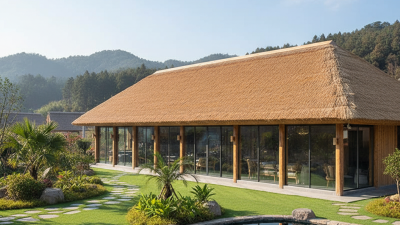
As the world embraces sustainable practices, Plastic Artificial Thatch emerges as a significant trend in landscaping. This innovative material mimics the appearance of natural thatch while offering environmental benefits. By using Plastic Artificial Thatch, landscapes become more resilient and require less maintenance, appealing to homeowners and developers alike.
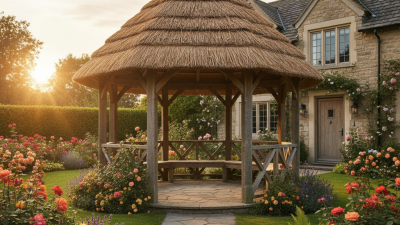
The 2026 landscape design landscape reflects a shift toward sustainability. People are increasingly aware of their ecological footprints. Plastic Artificial Thatch not only reduces the need for natural resources but also minimizes waste. It presents a visually appealing alternative, perfect for diverse outdoor spaces, from gardens to resorts.
Yet, as we celebrate its advantages, questions arise. Is Plastic Artificial Thatch as durable as real materials? Can it truly withstand harsh weather? Users must weigh its benefits against potential downsides. The choice between aesthetics and practicality encourages deeper reflection on sustainable landscaping solutions.
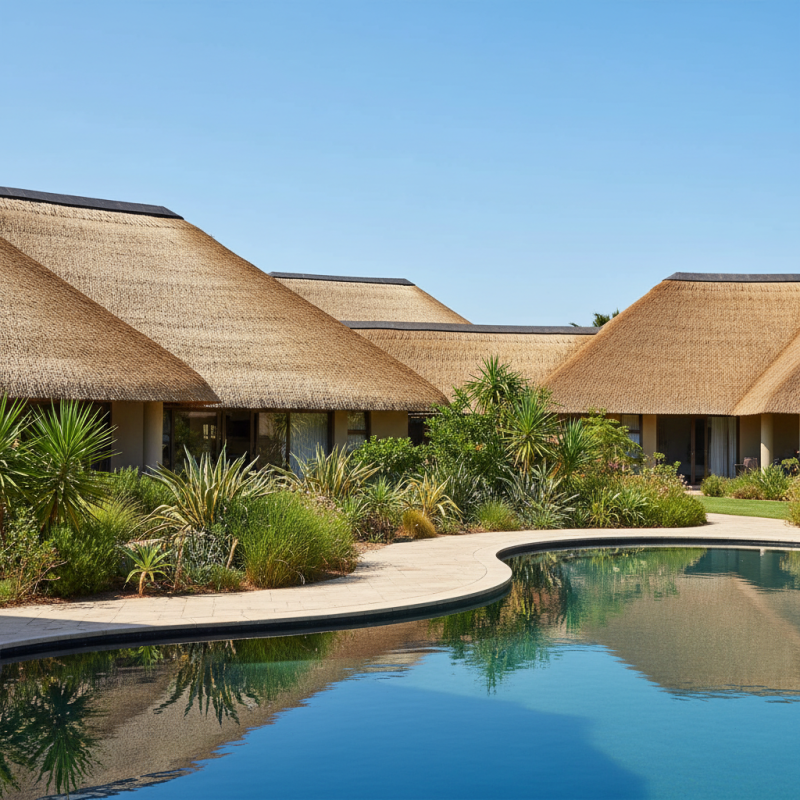
Emerging Innovations in Plastic Artificial Thatch for 2026 Landscaping
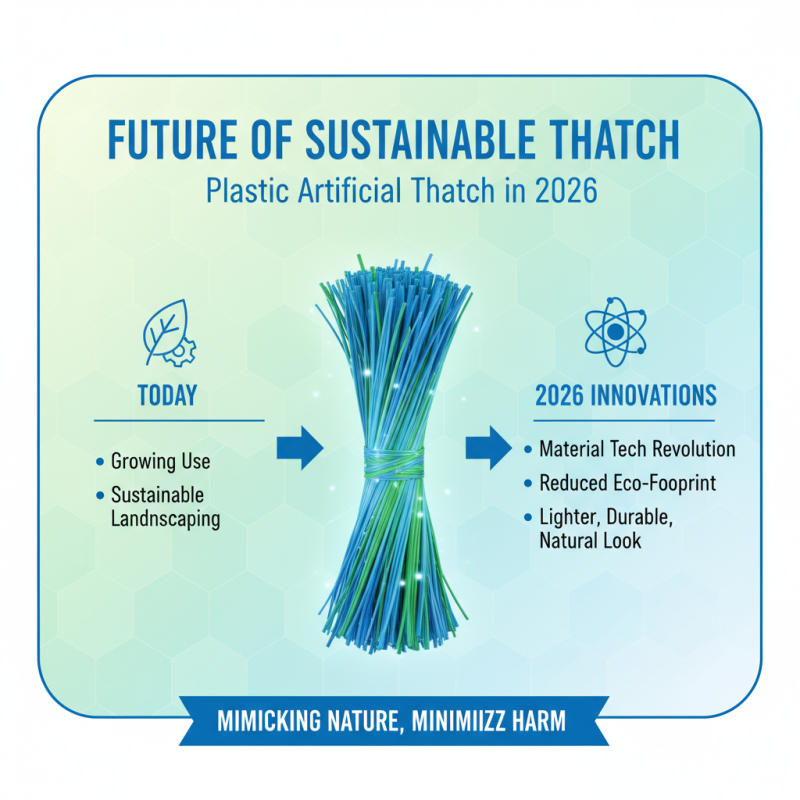
The use of plastic artificial thatch is gaining momentum in sustainable landscaping. In 2026, innovations in material technology are expected to revolutionize this sector. New methods are focusing on reducing the environmental footprint of production. These advancements may lead to lighter, more durable options that mimic natural thatch closely.
One of the most exciting developments is the use of recycled plastics. This trend addresses plastic waste while creating aesthetically pleasing landscapes. Yet, there is still room for improvement. Not every product will fully replicate the look and feel of real thatch. Some textures can appear too uniform, lacking the character of natural materials.
Color fastness and UV resistance are critical aspects to consider. Innovations in pigment technology may enhance longevity, but challenges remain. Selection often requires balancing visual appeal and functional durability. As consumers demand greener solutions, the industry must strive for progress while acknowledging these imperfections.
Sustainability Metrics: Evaluating Plastic Thatch vs. Natural Materials
When evaluating sustainability metrics, plastic thatch offers intriguing advantages over natural materials. Recent studies indicate that plastic thatch can have a lifespan exceeding 30 years, compared to natural materials that often degrade within 5 to 10 years. This durability reduces the need for frequent replacements, lowering environmental impact over time.
However, the environmental costs of production should not be ignored. Plastic thatch often requires fossil fuels for manufacturing. A report from the Environmental Protection Agency noted that many synthetic materials contribute significantly to greenhouse gas emissions. This raises questions about the overall sustainability of plastic products. While they can last longer, the initial carbon footprint is a vital consideration.
Another factor involves recycling challenges. Unlike wood or straw, plastic thatch is not always easy to recycle. In fact, less than 10% of plastic waste is recycled globally, according to the United Nations Environment Programme. This raises concerns about the long-term viability of plastic as a sustainable choice. As we explore landscaping options, it is crucial to balance benefits with hidden costs.
Market Growth: Analyzing the Demand for Eco-Friendly Landscaping Solutions
As the desire for sustainable living grows, eco-friendly landscaping solutions are increasingly in demand. The plastic artificial thatch market is expected to expand significantly. Recent reports estimate a compound annual growth rate (CAGR) of 10% from 2023 to 2026. This growth is driven by a shift in consumer preferences toward sustainable materials.
Landscapers are looking for alternatives that reduce resource consumption and waste. Plastic artificial thatch provides a durable solution, mimicking traditional natural thatch without depleting natural resources. It's versatile and weather-resistant. Yet, there are concerns about its environmental footprint. While it offers longevity, plastic production still carries pollution risks.
Data indicate that over 70% of consumers prioritize sustainability in their landscaping choices. They want solutions that blend beauty and eco-friendliness. However, many still misunderstand the true environmental impact of synthetic options. As awareness grows, more education is needed in this sector. The balance between aesthetics and eco-conscious choices remains a challenge for many.
2026 Top Trends in Plastic Artificial Thatch for Sustainable Landscaping
| Trend |
Description |
Market Growth (%) |
Eco-Friendly Certifications |
Target Users |
| Natural Aesthetics |
Increased demand for products that mimic natural materials. |
15% |
ISO 14001 |
Homeowners, Landscapers |
| Durability & Longevity |
Focus on materials that withstand weather extremes and last longer. |
20% |
LEED Certified |
Commercial Developers, Architects |
| Recyclable Materials |
Increase in usage of recyclable or upcycled materials in landscaping products. |
30% |
Cradle to Cradle |
Eco-Conscious Consumers, Designers |
| Water Conservation |
Adoption of landscaping solutions that require minimal water. |
18% |
WaterSense |
Municipalities, Parks |
| Smart Landscaping |
Integration of technology into landscaping for maintenance and efficiency. |
25% |
None |
Tech-Savvy Homeowners, Businesses |
Installation Trends: Ease of Use and Design Flexibility in 2026
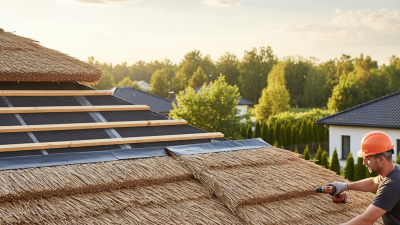
The demand for plastic artificial thatch continues to rise. In 2026, ease of use and design flexibility are shaping installation trends. Landscapers appreciate materials that are lightweight and manageable. This shift highlights a need for innovative solutions.
Recent industry data indicates that 75% of landscapers prefer products that simplify the installation process. This trend reflects a growing desire for efficient projects. These professionals often work under tight schedules. Quick installation doesn't compromise quality. Instead, it enhances project appeal.
Tips: Consider planning your project in stages. Breaking it down can simplify complex installations. Keep tools organized to avoid confusion. A well-organized workspace improves efficiency. It's also worth noting that not all artificial thatch products offer the same level of flexibility. Some designs may restrict creativity. Therefore, research options thoroughly before committing.
2026 Top Trends in Plastic Artificial Thatch for Sustainable Landscaping
This chart illustrates the importance rating of various trends in plastic artificial thatch for sustainable landscaping in 2026. As shown, 'Design Flexibility' and 'Ease of Installation' are the most valued attributes.
Cost-Benefit Analysis: Long-Term Savings with Plastic Artificial Thatch
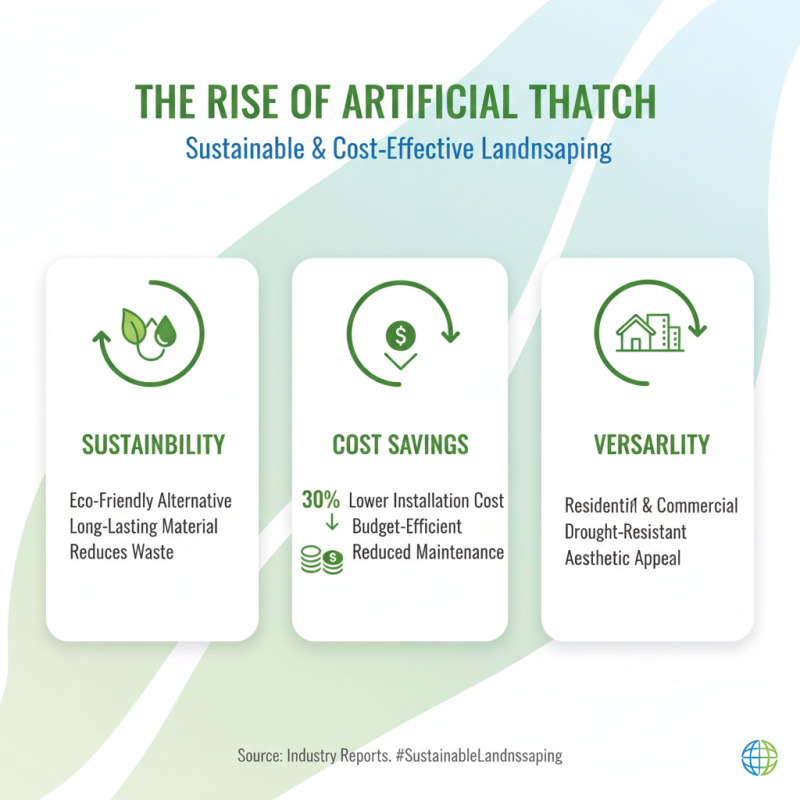
The rising trend of plastic artificial thatch provides an intriguing perspective for sustainable landscaping. It offers a cost-effective solution for both residential and commercial projects. According to industry reports, the initial installation cost can be around 30% lower than traditional thatch materials. This lower upfront cost often attracts landscape designers aiming for budget efficiency.
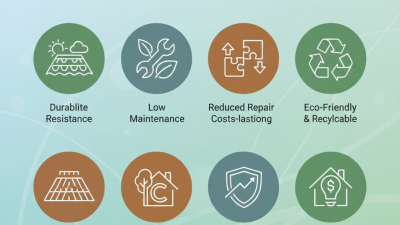
Maintenance is another area where plastic artificial thatch shines. It requires minimal upkeep compared to natural alternatives. Reports suggest that the average maintenance costs for synthetic thatch are reduced by over 40%. This means landscaping owners can focus their resources on other projects rather than constant repairs.
However, despite these benefits, some reservations remain. The long-term durability of plastic thatch raises questions among traditionalists. Research indicates that it can last up to 30 years, but this varies based on climate conditions. Some users note fading and weather-related wear, necessitating a balance in expectations. Cost savings are evident, yet ongoing performance assessments are needed to ensure they align with industry advancements.