How to Choose the Best Synthetic Thatch for Your Project?
When embarking on a project that requires a reliable roofing solution, choosing the best Synthetic Thatch is crucial. This material offers a blend of aesthetic appeal and durability. Many homeowners and builders are drawn to Synthetic Thatch for its resemblance to traditional thatch while providing modern performance benefits.
Understanding the various types of Synthetic Thatch available is essential. Each type has its unique features, advantages, and potential drawbacks that can impact your project's outcome. Quality matters significantly; not all Synthetic Thatch products are created equal. Some may fade over time, while others withstand varying weather conditions.
In addition to performance, consider the design. Aesthetic value plays a role in your choice. The right Synthetic Thatch enhances the overall look of your project, whether it’s a residential home or a commercial building. Weighing these factors may seem overwhelming, but careful research and professional advice can guide your decision. Ultimately, the choice you make must align with your project’s vision and practical needs.
Understanding Synthetic Thatch and Its Benefits
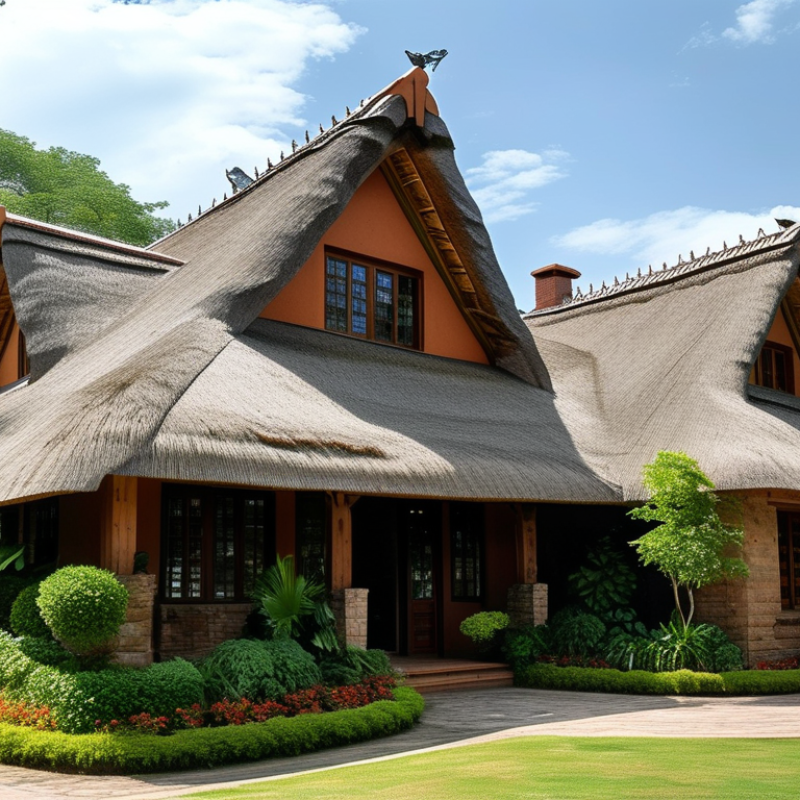
Synthetic thatch is an increasingly popular roofing option. It mimics natural thatch while offering numerous benefits. One notable advantage is its durability. Unlike natural materials, synthetic thatch can withstand harsh weather conditions. It is resistant to rot, insects, and UV damage. This longevity often makes it a cost-effective choice over time.
Aesthetically, synthetic thatch provides versatility. Homeowners can find various styles and colors. This variety allows for customization to fit different architectural designs. Additionally, the lightweight nature of synthetic materials simplifies installation. However, some may question the environmental impact of synthetic products. It’s essential to research the manufacturing processes. Look for options that prioritize eco-friendliness.
When selecting synthetic thatch, think about your specific needs. Factors like climate and building style can influence your choice. While synthetic thatch can be more affordable initially, consider long-term maintenance and replacement costs. Always consult with roofing professionals to ensure you’re making informed decisions. Understanding these aspects will lead you to a solution that best suits your project.
Comparison of Synthetic Thatch Types
This chart illustrates the durability of various types of synthetic thatch, measured in years. Each type offers different benefits, making it essential to choose the right one for your project needs.
Factors to Consider When Choosing Synthetic Thatch
When selecting synthetic thatch for your project, several key factors must be considered. The material’s UV resistance is critical for durability. Studies indicate that high-quality synthetic thatch can withstand sun exposure for up to 25 years. Look for products that reduce heat accumulation, as they can keep spaces cooler, enhancing comfort.
Another important aspect is the weight of the thatch. Lightweight options are easier to install but may lack the wind resistance needed in storm-prone areas. In contrast, heavier materials provide stability but might be more cumbersome. Understanding your specific climate can inform this choice effectively.
Consider maintenance requirements as well. Some synthetic thatch products require minimal upkeep, while others may need occasional cleaning to maintain aesthetic appeal. Regular maintenance can extend the life of your thatch significantly, often by several years.
It’s essential to examine the color and texture options. Varieties that closely mimic natural contenders tend to blend better with the environment. They can also influence the overall look of your design, which may impact property value. Make sure to see samples in different lighting conditions to fully appreciate the appearance.
How to Choose the Best Synthetic Thatch for Your Project? - Factors to Consider When Choosing Synthetic Thatch
| Factor |
Description |
Importance |
| Material Quality |
Look for UV-resistant materials that can withstand weather conditions. |
High |
| Aesthetic Appeal |
Consider the appearance and how well it mimics natural thatch. |
Medium |
| Fire Resistance |
Check if the thatch has fire-retardant properties for safety. |
High |
| Cost |
Evaluate the price in comparison to your budget and project needs. |
High |
| Installation |
Consider the ease of installation and any required skills. |
Medium |
| Maintenance Requirements |
Assess how much upkeep will be needed over time. |
Medium |
| Environmental Impact |
Consider the sustainability of the materials used. |
Low |
Types of Synthetic Thatch Materials Available
When choosing synthetic thatch materials, it's essential to explore the available types. Common options include polyethylene and polyvinyl chloride (PVC). Each type offers distinct benefits and drawbacks, making it crucial to assess your project's needs.
Polyethylene thatch is lightweight and flexible. It mimics the appearance of natural thatch closely but may fade over time under UV exposure. In contrast, PVC thatch provides durability and stability. However, it can be heavier and less realistic in appearance. Balancing aesthetics with longevity is key when selecting.
Another consideration is the installation process. Some materials are easier to install than others. Additionally, check the warranty and maintenance requirements. Finding the right synthetic thatch may involve trial and error to meet the project needs while ensuring customers remain satisfied.
Evaluating Durability and Lifespan of Synthetic Thatch
When evaluating synthetic thatch for a project, durability and lifespan play crucial roles. Quality synthetic thatch can last anywhere from 25 to 50 years, significantly outpacing traditional materials. A report from the Thatch Association highlights that UV resistance and weatherproofing are vital for longevity, with many synthetic options offering a lifespan that reflects strong performance against environmental stressors.
One important consideration is the material composition. Many synthetic thatches are made from high-density polyethylene (HDPE) or polypropylene, which can withstand extreme conditions when properly manufactured. According to industry studies, the average lifespan increases when materials are engineered for high durability and environmental resilience.
Choosing the right product requires careful attention to details. Look for materials with warranties that reflect their lifespan. High-quality products will often emphasize tests for fire resistance and impact durability. Prioritizing established manufacturers with a proven track record can also improve the chances of a satisfactory outcome.
Make sure to assess your local climate and its impact on synthetic products. In regions with heavy storms or intense sunlight, extra precautions may be necessary. Keeping all these factors in mind allows for a well-informed decision that combines aesthetics with long-term viability.
Installing and Maintaining Synthetic Thatch for Longevity
Installing synthetic thatch can elevate the aesthetic of any project. Yet, maintaining it is vital for longevity. Start by regularly inspecting your synthetic thatch for signs of wear and tear. Look for loose edges or fading colors. Address these issues promptly to prevent further damage.
Choose the right cleaning method based on the material. Some types can withstand pressure washing, while others might need gentler care. Use soap and water for routine cleaning to keep surfaces looking fresh. Avoid harsh chemicals that can degrade the material over time.
Ensure proper drainage and airflow beneath the thatch. This helps in preventing mold or mildew buildup. Occasionally, trim back overhanging branches that might cause debris accumulation on your thatch. Regular maintenance ensures your synthetic thatch remains an attractive feature for years.