Best Slate Roof Tiles for Your Home Roofing Needs?
When considering the roofing needs of your home, Slate Roof Tiles stand out as a premier choice. Their natural beauty and exceptional durability make them an attractive option for homeowners. These tiles are not just aesthetically pleasing; they also offer remarkable longevity, often lasting over a century with proper care.
Choosing the right slate can be daunting. There are various brands, colors, and qualities available on the market. It's important to research thoroughly before making a decision. Each type of slate roof tile brings its unique characteristics. Some may not perform well in extreme weather, while others excel in specific climates.
A well-informed choice can enhance your home's value and appeal. However, it’s vital to consider your specific needs and circumstances. Reflecting on your roofing goals and budget can guide you toward the right slate roof tiles. This journey requires careful thought and a willingness to explore options for the best investment.
Understanding Slate Roof Tiles: Properties and Benefits
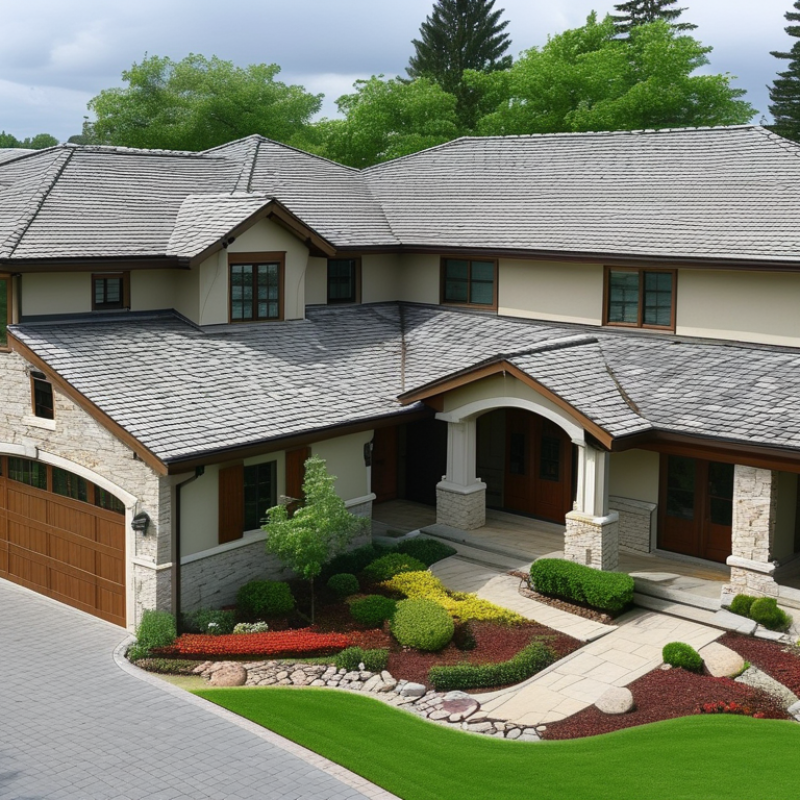
Slate roof tiles are renowned for their durability and aesthetic appeal. They can last over a century, surpassing many other roofing materials. The natural stone used in slate tiles is fireproof and resistant to extreme weather conditions, making it a reliable choice. Homeowners appreciate the variety of colors and textures, allowing for unique architectural styles.
However, slate tiles can be heavy, which may require additional structural support for older homes. This could lead to increased installation costs and time. While they are a long-term investment, not all properties suit this type of roofing. It’s important to consider local climate and building codes before proceeding.
Another factor is maintenance. While slate is low maintenance, repairs can be costly. If a single tile cracks, it may be difficult to match the original. Homeowners should weigh these pros and cons carefully. Investing in slate offers beauty and longevity, but it demands careful consideration and planning to ensure it's the right fit for their needs.
Types of Slate Roof Tiles: Natural vs. Synthetic Options
When considering slate roof tiles, homeowners face a choice between natural and synthetic options. Natural slate tiles are quarried from the earth and are known for their beauty and durability. Each tile presents unique colors and textures, adding charm to any home. However, they can be heavy and require precise installation. This might necessitate reinforcement of the roof structure.
Synthetic slate tiles offer a lighter alternative. Made from various materials, they mimic the look of natural slate while being more affordable. They are easier to install and often require less maintenance. However, some worry about their long-term durability and how they weather over time compared to authentic slate.
Tips for selection include assessing your local climate. Natural slate excels in areas with severe weather. In contrast, synthetic options might perform better in milder climates. Consider the installation team’s experience with each type too; proper installation is crucial for maximizing the lifespan of any roofing material.
Evaluate your budget. While natural slate may have a higher upfront cost, it could prove more cost-effective over the years due to longevity. Explore warranties and manufacturer details as well. Sometimes, what seems cheaper initially may lead to higher costs later.
Best Slate Roof Tiles for Your Home Roofing Needs? - Types of Slate Roof Tiles: Natural vs. Synthetic Options
| Type of Slate |
Material |
Lifespan (Years) |
Cost per Square Foot |
Weight (lbs/sq. ft.) |
Maintenance |
| Natural Slate |
Quarried Stone |
75-200 |
$7 - $15 |
8 - 12 |
Low |
| Synthetic Slate |
Composite Materials |
30-50 |
$4 - $10 |
2 - 5 |
Moderate |
| Imitation Slate |
PVC/Plastic |
20-40 |
$3 - $8 |
1 - 3 |
High |
| Reclaimed Slate |
Old Quarried Slate |
50-100 |
$10 - $20 |
7 - 10 |
Low |
Factors to Consider When Choosing Slate Roof Tiles
Choosing slate roof tiles requires careful consideration. First, the thickness of the tile matters. Thicker tiles are more durable but also heavier. This may require structural support adjustments to your home. Weighing cost versus longevity is essential. Slate can be a significant investment, but its lifespan often exceeds 100 years.
The color and style of the slate should match your home’s aesthetic. Natural variations in slate can create a unique look that enhances your property’s curb appeal. However, these differences might lead to challenges in finding uniformity across new installations or repairs. Consult with professionals to navigate these options effectively.
Finally, consider local climate conditions. Slate performs well in various weather conditions, but extreme temperatures could affect its performance. Consulting local experts can provide insights on how slate performs in specific environments. This step is crucial for ensuring a durable and visually appealing roof for years to come.
Installation Process for Slate Roof Tiles: A Step-by-Step Guide
Installing slate roof tiles is an intricate process that requires careful planning and execution. Begin by assessing the roof's structure. Ensure it can support the weight of slate, which is significantly heavier than traditional roofing materials. You'll need proper scaffolding for safety during installation. Wear protective gear; slate shards can be sharp and result in injuries.
Begin the installation with a solid underlayment. This layer is crucial for waterproofing. Extend the underlayment beyond the roof edges and ensure it overlaps properly. Once the underlayment is secured, start placing slate tiles from the bottom. It's essential to follow a staggered pattern. This not only enhances aesthetics but also improves water runoff. Be wary of spacing; uneven gaps can lead to leaks.
Fix each slate tile with nails designed for durability. Over time, tiles can crack or become loose due to weather exposure. Regular maintenance checks can prolong their lifespan. Many homeowners overlook this step, which can lead to costly repairs. Installing slate tiles is not just about appearance; it's about long-term resilience and functionality. The installation process challenges both skill and attention to detail.
Maintenance Tips for Slate Roof Tiles to Ensure Longevity
Maintaining slate roof tiles is essential for their longevity. Regular inspections help identify potential issues early. Look for cracks or missing tiles. Water can seep through any openings, leading to more significant damage. Addressing small problems promptly can prevent costly repairs later.
Cleaning your slate roof is vital. Remove debris like leaves and moss that can trap moisture. This moisture can weaken the slate over time. Use a gentle brush to clean without scratching the surface. Avoid harsh chemicals, which can harm both the slate and surrounding plants. Moreover, ensure that gutters are clear and functioning well to direct water away from the roof.
Seasonal checks are necessary, especially after heavy storms. Look out for shifting tiles or any unusual wear. If you notice any issues, consult a roofing expert for advice. Investing time in maintenance can yield long-term benefits and enhance the aesthetic appeal of your home. Remember that overlooking small details can lead to bigger problems, so be proactive in taking care of your slate roof.