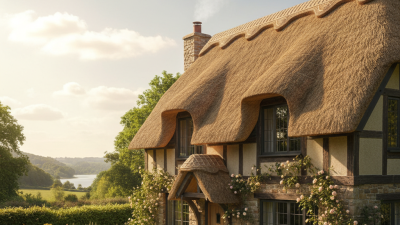
Digital Guide to Best Plastic Thatch Roof Options?
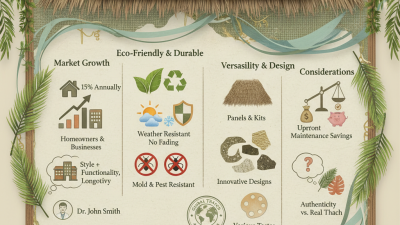
The popularity of Plastic Thatch Roofs is on the rise in modern construction. These roofs offer a charming aesthetic reminiscent of traditional thatch without the same maintenance challenges. According to the Global Market Insights report, the synthetic roofing market is expected to grow significantly, driven by the appeal of eco-friendly and durable materials.
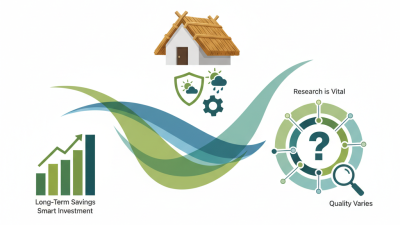
Plastic Thatch Roof options present intriguing advantages. They are lightweight, fire-resistant, and easy to install. The longevity of these materials often surpasses traditional thatching, reducing long-term costs. However, some concerns exist regarding UV degradation and the environmental impact of production.
Choosing the right Plastic Thatch Roof requires careful consideration. Not all synthetic options provide equal benefits. It's essential to evaluate products based on performance metrics and manufacturer reputation. This guide will help navigate the complexities of selecting the best options in this evolving market, ensuring an informed decision for your roofing needs.
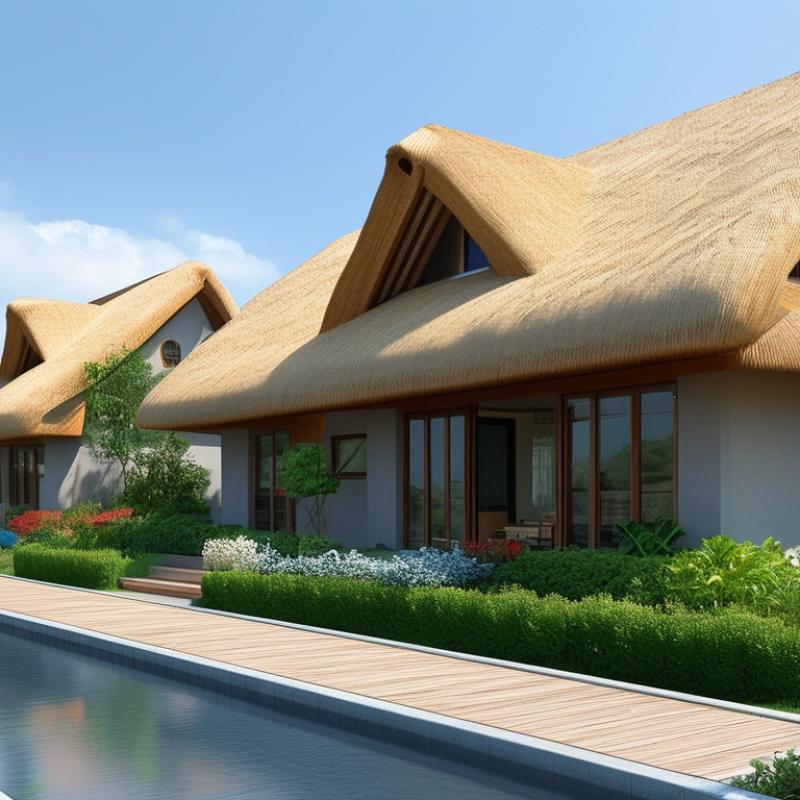
Overview of Plastic Thatch Roof Materials
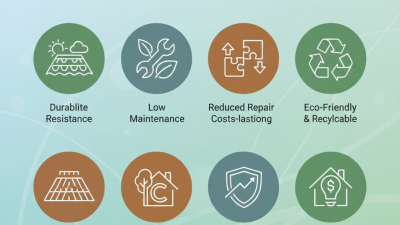
Plastic thatch roofs are gaining popularity for their durability and aesthetic appeal. With advancements in material technology, these roofs offer a viable alternative to traditional thatch. They are lightweight, making installation easier and reducing structural strain. Furthermore, plastic options are resistant to rot and pests, ensuring longevity in various climates.
When exploring plastic thatch materials, consider options like PVC and polyethylene. These materials mimic the look of natural thatch while providing added benefits. Some products are UV resistant, preventing fading over time. In areas with heavy rainfall, certain types can offer superior water drainage. However, not all plastic thatch options are created equal. Ensure that the product has reliable manufacturer supporting documents.
Choosing the right plastic thatch roof involves careful consideration. Evaluate the environmental impact of production as well. Some materials may not be recyclable. While many products boast longevity, proper maintenance is still crucial. Periodic cleaning can enhance the lifespan and preserve appearance. Balancing aesthetics, durability, and environmental concerns will lead to a more informed decision.
Advantages of Using Plastic Thatch for Roofing
Plastic thatch roofing offers a unique blend of aesthetics and functionality. Its vibrant colors and textures can mimic traditional thatch while providing a modern twist. Homeowners appreciate the look of thatched roofs, enhancing curb appeal significantly. Unlike natural alternatives, plastic thatch is lightweight and easier to install. This can lead to significant labor savings during construction or renovation projects.
Durability is another advantage of plastic thatch. It is resistant to harsh weather conditions, including rain, wind, and intense sunlight. Unlike organic materials, it does not rot or attract pests, reducing long-term maintenance costs. Homeowners often find that plastic thatch roofs last longer than expected. However, some worry about the environmental impact of synthetic materials. People may feel conflicted about their options but can find peace in plastic's practical benefits.
Installing plastic thatch roofs may require reflection on personal values and aesthetics. It's essential to consider how these choices affect overall environmental sustainability. While the immediate advantages are clear, understanding the long-term implications is crucial. Thoughtful selection can balance visual appeal and ecological responsibility.
Advantages of Using Plastic Thatch for Roofing
Comparison of Different Plastic Thatch Products
When considering plastic thatch roofs, a variety of products are available in the market. These options cater to different aesthetic preferences and practical needs. Some products mimic traditional grass thatch, while others are designed for durability and ease of maintenance. Evaluating these features is crucial for making an informed choice.
One common option is polyethylene thatch, which is lightweight and resistant to fading. It can withstand harsh weather without deteriorating. Another alternative is PVC thatch, known for its sturdiness and UV resistance. It often has a longer lifespan compared to other materials. Stability and long-term performance are key attributes to consider.
Tips: Always check the product specifications carefully. Look for warranties that reflect the manufacturer’s confidence. Ensure proper installation to maximize your roof’s lifespan. Regular maintenance can also prolong the life of your thatch roof.
Though many plastic options seem appealing, not all are created equal. Some may look great initially but could fade or become brittle over time. It’s essential to consider long-term performance versus initial cost. Investigating user reviews may provide additional insights, yet opinions can vary widely.
Installation Tips for Plastic Thatch Roofing Solutions
When considering plastic thatch roofing solutions, proper installation is crucial. Accurate measurements ensure the thatch fits well. Start by preparing the roof surface. It should be clean and dry. Any debris can lead to future problems. Remember, even small mistakes can result in leaks or reduced performance.
Use a suitable underlayment for best results. Choose materials that resist moisture and pests. This step is often overlooked, but it is essential. Secure the panels tightly. Gaps allow wind and rain to intrude. A tight fit also enhances durability. Regular inspections during installation can catch errors early.
Don’t rush the process. Take your time to align each panel properly. This attention to detail will pay off later. Consider local weather conditions as well. They can impact the installation process. Excessive heat can make materials more pliable, while cold can make them rigid. Understanding these factors leads to a more reliable roof system. Overall, installation should be treated as an art, one that requires skill and patience.
Maintenance and Care for Plastic Thatched Roofs
When it comes to maintaining plastic thatched roofs, proper care can prolong their lifespan significantly. According to industry reports, regular inspections are essential. Check for debris accumulation, especially in valleys and gutters, which can lead to water damage. A professional service might be necessary for heavy cleaning or repairs. Surprisingly, many homeowners underestimate the importance of these tasks, leading to unexpected costs down the line.
Plastic thatch roofs are designed to be durable, but they are not indestructible. UV exposure can cause fading and brittleness over time. Routine application of UV protective treatments can help mitigate this. A study from the Roofing Contractors Association highlights that roofs with regular maintenance can last up to 30% longer than those neglected. It’s a straightforward yet often overlooked practice.
Seasonal weather can also affect the integrity of plastic roofs. Extremes in temperature may cause material expansion or contraction. Monitoring these changes is crucial. Homeowners should consider using a soft brush for gentle cleaning. This prevents scratching and extends the roof's aesthetic appeal. Simple actions, like these, can make a noticeable difference, yet many neglect them until it's too late.
Digital Guide to Best Plastic Thatch Roof Options - Maintenance and Care for Plastic Thatched Roofs
| Feature |
Option 1 |
Option 2 |
Option 3 |
| Material Durability |
10-15 years |
15-20 years |
20+ years |
| Maintenance Required |
Low |
Medium |
High |
| Cost per Square Foot |
$5 - $7 |
$7 - $10 |
$10 - $15 |
| Weather Resistance |
Moderate |
High |
Very High |
| Aesthetic Appeal |
Traditional |
Modern |
Luxury |