Top 10 Benefits of Using Synthetic Thatch for Your Projects?
In the world of landscaping and construction, the choice of materials can significantly impact both aesthetics and functionality. Dr. James Lawson, an expert in artificial landscaping solutions, emphasizes, "Synthetic Thatch provides a perfect fusion of beauty and durability." This innovative material has gained popularity for its numerous advantages, making it an appealing choice for various projects.
One of the main benefits of synthetic thatch is its low maintenance requirements. Unlike natural thatch, it does not rot or support pests. This durability means projects using synthetic thatch can maintain their visual appeal without constant upkeep. In addition, synthetic thatch is available in various styles and colors, making it highly customizable for different designs.
Environmental concerns are also addressed with synthetic thatch. It often utilizes recycled materials, reducing waste and promoting sustainability. However, some may wonder about its long-term impacts. Exploring these aspects can provide a deeper understanding of how synthetic thatch fits into eco-friendly practices. As this material continues to evolve, reflecting on both its benefits and drawbacks can inform better choices in landscaping and construction.
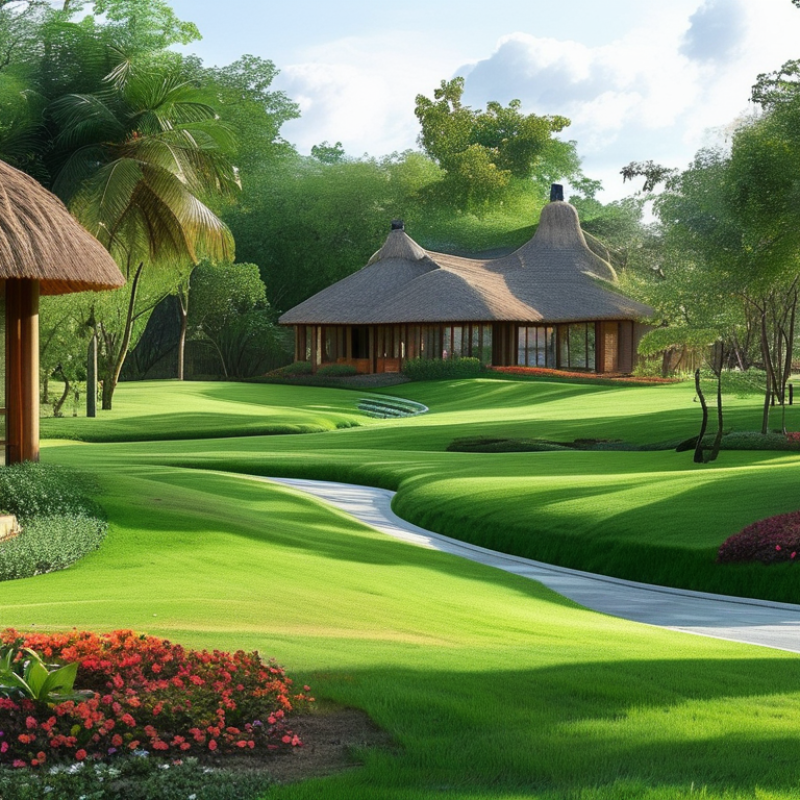
Advantages of Synthetic Thatch in Landscaping Design
Synthetic thatch is increasingly popular in landscaping design. It offers numerous advantages that can transform outdoor spaces. One of its key benefits is longevity. According to a report by the Landscaping Institute, synthetic thatch can last over 25 years compared to natural materials which may not survive harsh weather conditions.
Another significant advantage is low maintenance. Synthetic thatch doesn’t require regular upkeep such as weeding or replacement. In fact, research by the Environmental Protection Agency shows that synthetic versions can reduce resource consumption by up to 40%. This can lead to significant cost savings for property owners.
When considering using synthetic thatch, take time to assess its suitability for your project. Ensure the materials align with your aesthetic goals. Check for color options and textures that match your vision. Remember, not all synthetic thatch is created equal, so look for expert advice when selecting the right option.
Proper installation is crucial. Inadequate application can affect durability. Pay attention to the underlying structure, as this will influence the longevity of the thatch itself. Always consult with landscaping professionals to avoid common pitfalls that could diminish the overall look and function of your space.
Top 10 Benefits of Using Synthetic Thatch for Your Projects
This bar chart illustrates the top 10 benefits of using synthetic thatch in landscaping design, showcasing various advantages rated on a scale of 1 to 10. The higher the rating, the greater the perceived benefit, highlighting the overall value of synthetic thatch in various applications.
Durability and Longevity of Synthetic Thatch Materials
Synthetic thatch materials have gained popularity in various construction and landscaping projects. Durability is a key feature that sets synthetic thatch apart from natural options. One industry report states that synthetic thatch can last up to 30 years when properly maintained, significantly outlasting natural thatch, which typically lasts only 10 to 15 years. This longevity is crucial for homeowners and builders who aim to minimize replacements and associated costs.
Weather resistance is another significant advantage. High winds, rain, and UV radiation can degrade natural materials quickly. Synthetic thatch is engineered to resist these elements. Research has shown that synthetic thatch can withstand winds of up to 90 miles per hour without suffering damage. This endurance provides peace of mind to homeowners, especially in storm-prone areas, as synthetic thatch requires less frequent repairs or replacements.
While many benefits exist, there are challenges as well. The initial investment in synthetic materials may be higher compared to natural options. Additionally, some users report that the appearance may vary from natural textures, leading to concerns about aesthetic authenticity. Evaluating long-term performance versus up-front costs is crucial for any project.
Cost-Effectiveness of Using Synthetic Thatch in Projects
When considering projects that require roofing or landscaping materials, synthetic thatch stands out for its cost-effectiveness. This material mimics the aesthetic of natural thatch without the hefty price tag. Its durability is another significant advantage. Unlike traditional thatch, synthetic options won’t break down easily, reducing long-term costs.
Maintenance is less demanding with synthetic thatch. Property owners save on repairs and replacements. Regular upkeep is minimal. This allows team members to focus on core project activities rather than constant material management. Additionally, synthetic thatch is lightweight, reducing transportation costs. Projects can stay on budget because of these savings.
Environmental impact is another crucial factor. Synthetic materials often have a longer lifespan than natural ones. However, it’s important to consider the raw materials used. Not all synthetic options are equal in sustainability. Taking time to choose wisely is essential. It's vital to balance cost with overall project integrity and values. By doing so, one can achieve efficient and responsible project execution.
Environmental Benefits of Sustainable Synthetic Thatch Solutions
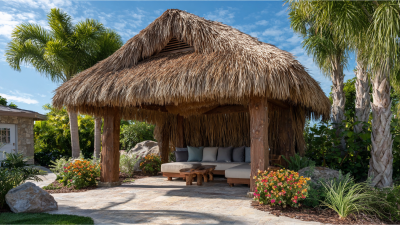
Synthetic thatch is gaining popularity for its environmental benefits. Unlike traditional materials, it is made from recycled plastics. This reduces waste and helps conserve trees. Choosing synthetic options means supporting sustainable practices.
One key advantage is durability. Synthetic thatch can withstand harsh weather conditions. It won’t rot or attract pests, which often plague natural thatch. This longevity reduces the need for frequent replacements, saving resources in the long run.
Tips for opting for synthetic thatch include checking the recycling content. The higher the recycled material, the better for the environment. Also, consider sourcing products with a guaranteed lifespan. This ensures that you make a long-term investment in sustainability. Always look for products that adhere to environmental safety standards.
Top 10 Benefits of Using Synthetic Thatch for Your Projects
| Benefit |
Description |
| Eco-Friendly Material |
Synthetic thatch is made from recyclable materials, reducing waste and supporting sustainability. |
| Durability |
Lasts longer than natural thatch, requiring less frequent replacement. |
| Weather Resistance |
Resistant to mold, mildew, and insect damage, making it ideal for various climates. |
| Low Maintenance |
Requires minimal upkeep, saving time and money over the life of the product. |
| Aesthetic Appeal |
Provides a beautiful, natural look comparable to real thatch without the disadvantages. |
| Fire Resistance |
Often treated to be fire resistant, enhancing safety in outdoor structures. |
| Energy Efficiency |
Helps insulate structures, potentially reducing energy costs for heating and cooling. |
| UV Resistance |
Designed to withstand UV rays, preventing color fading and material degradation. |
| Versatility |
Can be used in various applications, including roofing, landscaping, and more. |
| Cost-Effective |
Initial investment may be higher, but long-term savings on maintenance and replacements make it cost-effective. |
Aesthetic Flexibility: Customizing Synthetic Thatch for Various Styles
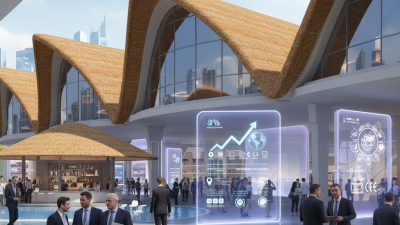
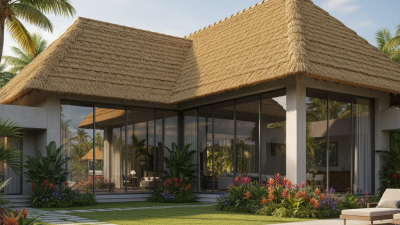
Synthetic thatch provides incredible aesthetic flexibility, an essential aspect for various design styles. Unlike traditional roofing materials, synthetic thatch can be tailored to fit diverse architectural themes. Research indicates that the global thatch roofing market is projected to reach $1.81 billion by 2027, signifying a growing interest in customizable facade options.
One notable advantage is its lightweight nature. This allows for easy installation on different structures, including modern homes and commercial properties. Synthetic thatch can mimic materials like palm or reed, enabling homeowners and architects to create a tropical charm without the maintenance burden. According to a study by the National Association of Home Builders, 80% of homeowners value unique aesthetics when deciding on renovations.
Creativity thrives with synthetic thatch. Designers can manipulate colors, textures, and shapes, ensuring each project has a unique character. Yet, some may find that these materials can sometimes feel less authentic, prompting clients to wonder about longevity. Reflecting on material lifespan, the average synthetic thatch roof can last 25 to 30 years, a notable advancement compared to natural options that may degrade more quickly. This blend of versatility and durability positions synthetic thatch as an increasingly popular choice for contemporary design.