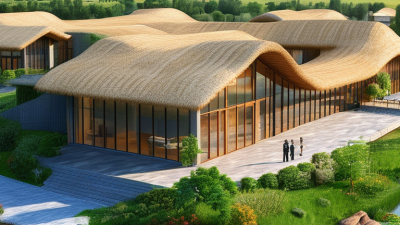
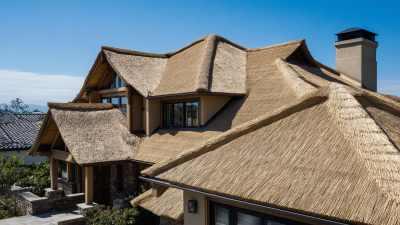
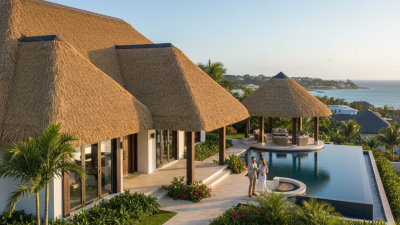
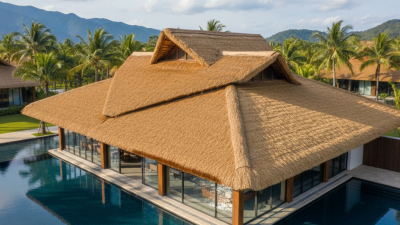
In the world of modern construction and landscaping, "Synthetic Thatch" presents a revolutionary alternative to traditional thatching materials. Leading industry expert, Dr. Emily Harper, states, "Synthetic Thatch not only enhances aesthetics but also offers durability and ease of maintenance." This innovative material has gained traction among global buyers who seek sustainable and practical building solutions.
Synthetic Thatch mimics natural thatch so well that the difference is often indistinguishable. It boasts several significant advantages over traditional options, such as resistance to pests and varying weather conditions. Moreover, it reduces the need for frequent repairs. Buyers appreciate the longevity and reliability of these products, which can withstand harsh environments.
However, challenges remain in achieving widespread acceptance. Some buyers worry about the initial cost or question the product's long-term performance. Continuous innovation and real-world testing are essential to address these concerns. This evolving material could shape the future of roofing and landscaping in diverse climates around the globe.
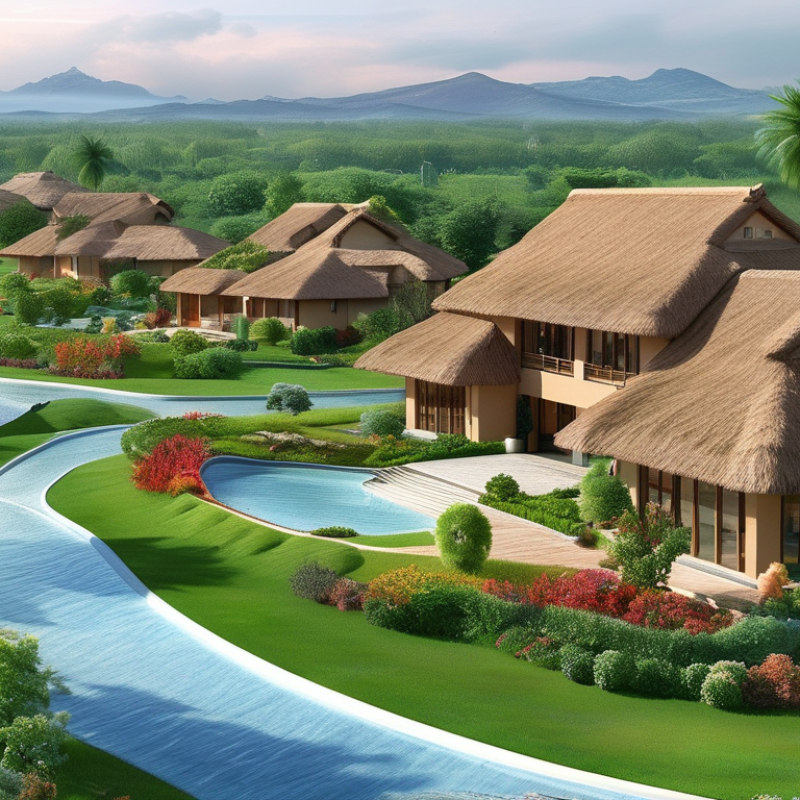
Synthetic thatch materials offer unique advantages in modern architectural design. Increasingly recognized for their aesthetic appeal, they provide a practical solution for rooftops. According to a recent industry report by the Roofing and Waterproofing Association, synthetic thatch can reduce heating and cooling costs by up to 30%. Such energy efficiency is a critical factor for sustainable design.
The visual impact of synthetic thatch cannot be overstated. It mimics the look of natural thatch, satisfying both traditional and contemporary architectural styles. Furthermore, synthetic options are far more durable. They typically withstand harsh weather conditions, from heavy rain to extreme UV exposure. This longevity means lower maintenance costs, often up to 50% less than natural materials.
As the market grows, a 2022 survey highlighted that 70% of architects prefer synthetic options for new projects. This shift suggests a move towards innovation while maintaining timeless aesthetics. However, some skepticism about the authenticity of synthetic designs remains. Buyers must weigh the practicality against traditional materials. Such considerations open a dialogue about the future of sustainable architecture.
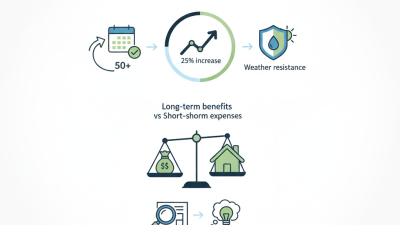
Synthetic thatch has gained traction among global buyers due to its cost-effectiveness. Unlike traditional thatch, synthetic options often come with lower maintenance costs. They resist pests and weather damage, reducing long-term expenses significantly. This durability means less frequent replacements compared to natural materials, which can require regular upkeep.
Investing in synthetic thatch can yield savings in various ways. Installation costs are often lower since synthetic materials are lighter and easier to handle. Moreover, they combine aesthetic appeal with practicality. Many buyers appreciate that synthetic thatch mimics the look of natural options without the associated costs. However, the initial investment can still be a concern for some, prompting reflection on long-term value versus short-term expenses.
While synthetic options are often praised for their cost benefits, the perception of quality may vary. Some individuals might feel that synthetic materials lack authenticity. Balancing these views is crucial for informed decisions. Buyers should weigh the pros and cons carefully before investing.
Synthetic thatch materials offer remarkable durability, making them an excellent choice for global buyers. Unlike natural thatch, synthetic alternatives resist harsh weather conditions with ease. They can withstand rain, wind, and UV rays without deteriorating. This longevity reduces the need for frequent replacements. Many users find that synthetic thatch can last over 25 years, much longer than traditional options.
Low maintenance is another significant advantage of synthetic thatch. It does not require regular treatments or special care, which can save both time and money. For instance, homeowners can enjoy their beautiful roofs without worrying about mold or pest infestations. These materials are also easy to clean, needing only occasional rinsing with water. However, some users may find it challenging to initially understand the maintenance differences between synthetic and natural products.
Despite the apparent benefits, one should consider potential downsides. Some might miss the authentic look and feel of traditional thatch. The initial investment in synthetic options could be higher as well. Buyers should reflect on their specific needs and preferences. Ultimately, understanding both the strengths and weaknesses of synthetic thatch empowers informed decision-making.
| Benefit | Description | Impact on Global Buyers |
|---|---|---|
| Durability | Synthetic thatch materials are resistant to harsh weather conditions and have a long lifespan. | Reduces replacement costs and increases long-term investment value. |
| Low Maintenance | Requires minimal upkeep compared to traditional thatch, saving time and effort. | Enhances operational efficiency and reduces maintenance budget. |
| Eco-Friendly | Made from recyclable materials, reducing environmental impact. | Appeals to environmentally conscious consumers and businesses. |
| Aesthetic Appeal | Offers a natural look that blends well with various architectural styles. | Attracts customers looking for unique and visually appealing solutions. |
| Fire Resistance | Manufactured to be fire retardant, enhancing safety. | Decreases fire hazard concerns in residential and commercial applications. |
| UV Protection | Resists fading and degradation from sun exposure. | Maintains appearance and integrity over time, important for long-term projects. |
| Water Resistance | Does not absorb water, preventing mold and mildew growth. | Minimizes health risks and extends the lifespan of installations. |
| Cost-Effectiveness | Lower installation and maintenance costs compared to natural thatch. | Offers a better return on investment for property owners. |
| Easy Installation | Lightweight and designed for quick assembly. | Reduces labor costs and project duration. |
| Versatility | Can be used in a variety of applications, from homes to commercial resorts. | Attracts a broader range of market segments and business opportunities. |
Choosing synthetic thatch solutions offers significant environmental benefits. These materials are often made from recycled products, reducing waste and conserving natural resources. Synthetic thatch does not require the cutting of palm trees or other plants, which helps to protect ecosystems. By opting for synthetic options, buyers can contribute to habitat preservation.
Durability is another notable aspect. Synthetic thatch does not decompose as natural materials do. This longevity means less frequent replacements, decreasing the demand for new materials. Fewer replacements lead to lower carbon footprints over time. Additionally, synthetic thatch is resistant to pests and harsh weather conditions, further minimizing environmental impact.
While synthetic materials offer many advantages, they are not without their challenges. The production process sometimes involves chemicals, raising questions about environmental safety. Further research is needed to fully understand their long-term effects on various ecosystems. Buyers should remain curious and critical when evaluating options, ensuring choices align with sustainability goals.
Synthetic thatch offers remarkable versatility in various climatic conditions. This adaptability makes it a favored choice for global buyers. Its durability allows it to withstand harsh winds and heavy rains. Unlike natural thatch, synthetic materials resist rot and insect damage. This quality enhances longevity in diverse environments. In areas with extreme temperatures, synthetic thatch performs exceptionally well, maintaining structural integrity throughout.
When considering synthetic thatch, it's essential to assess your local climate. Different materials may vary in performance under specific conditions. It’s wise to consult professionals for tailored advice. Installation techniques may also differ based on environmental factors. Ensure proper ventilation and drainage to prolong the lifespan of your thatch.
Selecting the right color and texture can impact energy efficiency. Lighter shades reflect sunlight in hot climates, reducing heat absorption. Meanwhile, darker shades can retain warmth in cooler regions. Embrace these choices to enhance comfort and aesthetics. Always weigh the long-term benefits against initial costs. Reflect on your unique needs and expectations for the best results.